Capturing Life’s Milestones: The Complete Guide to Family Photography in Seattle
August 1, 2026
The Ultimate Guide to Seattle’s Best Photoshoot Locations and Seasonal Backdrops
August 9, 2026
Table of Contents
Great photography requires far more than just owning an expensive camera. True artistry comes from mastering light, refining technique, perfecting composition, and guiding clients through natural posing. It requires thoughtful photo editing, intentional storytelling, thorough preparation, and deep trust between the client and the photographer.
Whether you are planning a family portrait session, a corporate branding shoot, or capturing your wedding day, stepping in front of the camera can feel daunting. You might worry about feeling awkward, choosing the right location, or hoping the final gallery lives up to your expectations.
This guide will demystify the photography process. We will explore what creates professional results and how you can properly prepare for a session. If you are looking for a professional photographer in Seattle, Bothell, Woodinville, Lynnwood, Everett, Mill Creek, or Snohomish, this comprehensive guide will help you understand the true value of premium photography. Let us explore how careful planning and expert execution transform simple moments into lasting legacy artwork.
What Makes a Great Photograph?
Many people believe that buying a better camera automatically creates better photos. However, professional photography relies on a specific combination of technical skill and creative vision.
What makes a photograph look professional?
A professional photograph combines intentional lighting, precise camera settings, and strong composition to create a visually striking image. It also features flattering, natural posing, genuine emotion, and expert photo editing that enhances the final result without looking artificial. Ultimately, a great photo has high display value, meaning it looks just as beautiful printed on your wall as it does on a screen.
Every high-quality image requires these core ingredients:
- Light: The foundation of all photography. Without good light, even the best moments fall flat.
- Composition: How elements are arranged within the frame to guide the viewer’s eye.
- Camera Settings: The technical choices that freeze motion or blur a distracting background.
- Posing: Subtle physical guidance that flatters the subject while looking entirely unforced.
- Emotion: The genuine connection or feeling captured in that exact fraction of a second.
- Editing: The post-processing polish that refines color, contrast, and mood.
- Print Value: The resolution and quality required to create physical artwork.
Understanding these elements helps you appreciate the investment in a professional portrait session.
Photography Lighting Basics

Photography literally means “drawing with light.” Understanding lighting is the most crucial skill a professional photographer brings to your session. It dictates the mood, flatters your features, and determines the overall quality of the image.
When learning about photography lighting, we generally divide it into two categories. You can learn more in our beginner photography lighting guide.
Soft Light vs. Hard Light
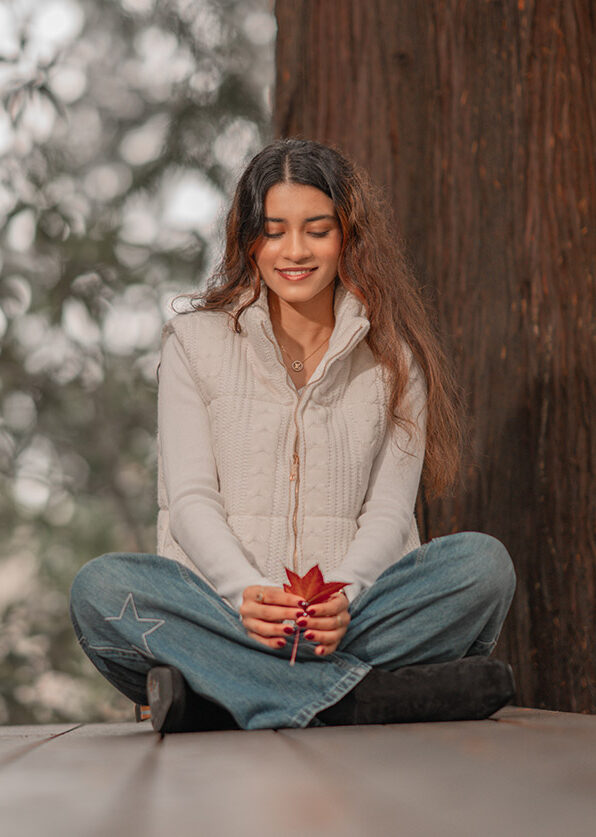

Soft light wraps gently around your face. It minimizes wrinkles, hides blemishes, and creates a flattering, even glow. Hard light, such as direct midday sun, creates harsh shadows and bright highlights. A skilled Seattle photographer knows how to modify hard light or find open shade to create that beautiful, soft look.
Natural Light vs. Studio Light

Natural light photography relies on the sun, while studio light photography uses artificial strobes and continuous lights. Both have unique benefits. We explore this deeply in our guide comparing natural light vs studio light.
In the Pacific Northwest, we frequently deal with overcast weather. Fortunately, clouds act as a giant softbox, diffusing the sun to create incredibly flattering, even light for portraits.
The Magic of Golden Hour

Golden hour happens shortly after sunrise and just before sunset. The sun sits low on the horizon, casting a warm, directional glow that adds magic to any portrait. If you are planning an outdoor session, knowing the best times for photography is critical. You can read more about planning golden hour photography in Seattle to ensure we capture that perfect, dreamy light.
Ready for a Stress-Free Photoshoot?
You do not need to worry about stiff poses or shifting light. Iconic Photography guides you through every step—from wardrobe and lighting to natural posing.
Schedule your Seattle consultation todayCamera Gear and Settings
Modern technology has made taking quick snapshots incredibly easy. However, there is a massive difference between a smartphone snap and a beautifully crafted professional portrait.
Phone Cameras vs. Professional Cameras
Smartphone cameras use tiny sensors and artificial software to mimic depth and light. Professional cameras use large sensors and premium glass lenses to capture true optical depth, immense detail, and vast dynamic range. We break down these differences thoroughly in our comparison of phone photography vs camera photography. While phone photography is great for daily memories, professional gear remains essential for high-stakes moments and large prints. Interestingly, as camera technology advances, we even see the impact of computational tools and AI photography shaping how modern sensors process complex lighting. You can trace how demanding professional environments push this technology forward by looking at the World Cup photography evolution.
Understanding Camera Settings
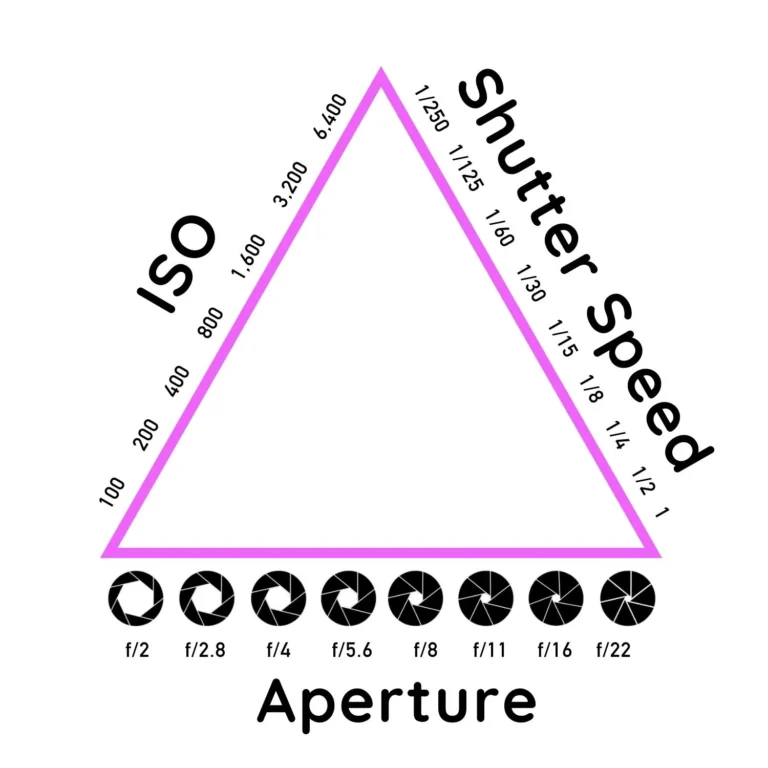
A professional photographer must master camera settings to control the final image. We manipulate three main settings, known as the exposure triangle:
- Aperture: Controls how much light enters the lens and dictates the depth of field.
- Shutter Speed: Controls how long the sensor is exposed to light, which freezes or blurs motion.
- ISO: Controls the sensor’s sensitivity to light.
Depth of Field and Outdoor Settings
Depth of field is what creates that beautiful, blurred background in professional portraits. This effect helps the subject stand out sharply against a soft, creamy backdrop. To understand how lens choices change the look of your face and background, read our guide on depth of field: f/1.8 vs f/8 portraits.
Navigating shifting light in the Pacific Northwest requires expertise. Check out our outdoor camera settings guide to see how professionals adapt to changing weather.
Phone vs Professional Camera
| Feature | Phone Photography | Professional Camera Photography |
|---|---|---|
| Sensor Size | Very small; struggles in low light. | Large; captures immense detail and dynamic range. |
| Depth of Field | Digitally simulated in Portrait Mode; often misses edges. | Optically authentic; creates natural, creamy blur. |
| Print Quality | Good for social media and small prints. | Exceptional; suitable for large wall art and albums. |
| Speed and Focus | Slower shutter response; struggles with fast motion. | Instantaneous tracking; freezes fast action with precision. |
Composition Techniques

Composition is the invisible framework that makes a photograph visually pleasing. It guides the viewer’s eye exactly where the photographer wants it to go. Mastering composition is one of the most vital professional composition techniques that separates amateurs from experts.
The best composition techniques for portraits:
- Rule of Thirds: Placing the subject off-center for a more dynamic and natural feel.
- Leading Lines: Using natural elements like paths or fences to point toward the subject.
- Framing: Using trees, doorways, or architecture to create a “frame within a frame.”
- Negative Space: Leaving empty space around the subject to create a sense of scale or mood.
Photographers also use advanced concepts like the golden ratio in photography to create perfect balance. Beyond technical rules, composition is ultimately about narrative. Proper framing techniques elevate storytelling in photography, turning a standard portrait into a compelling piece of art. Ignoring these rules often leads to awkward, unbalanced images—one of the most common photography mistakes beginners make.
Posing and Looking Natural

To pose naturally, focus on movement rather than freezing in place. Shift your weight to one leg, give your hands something to do (like gently holding your jacket or touching your hair), and interact with your environment. Breathe naturally, walk slowly, and let your photographer guide your posture.
You do not need to practice poses in the mirror. Instead, you can learn how to pose for photos by simply trusting your photographer’s directions. We prioritize natural poses portrait tips that flatter your body type without looking rigid.
We will help you figure out what to do with your hands, how to relax your jawline, and how to position your shoulders. For example, finding the best position for portrait photography often involves shooting slightly from above to flatter the face and define the jaw.
If you suffer from anxiety before a shoot, you are not alone. We specialize in helping clients overcome camera shyness. By focusing on conversation, gentle prompts, and movement, we help you look natural in front of the camera.
Preparing for a Photoshoot
Preparation dramatically impacts the final outcome of your gallery. When you plan thoroughly, you arrive at your session feeling confident, relaxed, and ready to enjoy the experience.
Preparing for your photoshoot involves several key steps. First, you must consider your wardrobe. We recommend wearing cohesive but not perfectly matching outfits. Choose colors that complement your chosen location, whether that is a lush Seattle park or an urban downtown setting.
Next, consider professional styling. When you hire a makeup artist and stylist, you not only look your best, but you also remove the stress of getting ready on the day of your shoot. Professional makeup translates beautifully on camera, smoothing skin tones and highlighting your best features.
Finally, communicate your vision. Take time to find your photography style. Do you prefer dark and moody images, or bright and airy portraits? Sharing your preferences ensures we select the perfect location, lighting, and backup plans for unpredictable Seattle weather.
Editing and Final Image Quality

Pressing the shutter button is only the halfway point of creating a professional portrait. Post-processing is a vital component of the artistic process. Professional editing is not about applying a trendy filter; it is about refining an image to its highest potential.
In our comprehensive photo editing guide, we explain the meticulous steps involved in post-production.
First, we perform color correction to ensure skin tones look accurate and vibrant. Next, we balance the exposure, recovering details in the shadows and softening bright highlights. We then apply gentle, natural retouching to remove temporary blemishes or distracting background elements. Finally, careful cropping ensures the composition is perfectly balanced.
Understanding why editing matters helps clients see the value of a professional workflow. We avoid heavy, artificial manipulation, favoring a timeless, polished look. This commitment to detail is what guarantees absolute quality in portrait photography.
Beyond the Digital Gallery
In today’s digital age, we consume thousands of images on small screens every day. However, professional photography deserves more than a quick scroll on social media. We strongly believe in creating tangible legacy artwork.
When you invest in a professional session, you should plan to print your favorite images. Sadly, many photos die on your phone or get lost on old hard drives.
We encourage clients to preserve their memories through custom-designed albums, framed wall art, and high-quality prints. High-resolution files from a professional camera allow for massive, crystal-clear printing that smartphones simply cannot match. If you are unsure where to begin, we offer guidance on how to display your photos to elegantly complement your home decor.
Choosing the Right Photographer
Seattle is home to many talented creatives, making it difficult to select the perfect match for your needs. When evaluating your options, look closely at portfolio consistency. A strong photographer should deliver excellent results in various lighting conditions, not just on perfectly sunny days.
Consider the photographer’s experience, their knowledge of local locations, and their communication style. Do they offer posing guidance? Do they help with styling and preparation?
It is also important to understand the difference between a cheap vs premium photographer. Budget photographers often shoot quickly, edit minimally, and deliver files without further support. A premium photographer invests time in planning your session, managing lighting flawlessly, providing subtle posing direction, and delivering heirloom-quality artwork.
Take your time when choosing the right photographer. Look for a professional who makes you feel valued, comfortable, and confident from the very first email.
Plan Your Photography Session
At Iconic Photography, we specialize in crafting premium, relaxed, and deeply meaningful photography sessions for our clients. We proudly serve the Greater Seattle area, including Bothell, Woodinville, Lynnwood, Everett, Mill Creek, and Snohomish.
You do not need to know how to pose, understand complex camera settings, or worry about finding the perfect light. Our experienced team will guide you through every single step. From selecting a beautiful local location and planning your wardrobe to delivering expertly edited, legacy-quality artwork, we handle the details so you can simply enjoy the moment.
Stop letting your most important memories live exclusively on your phone. Invest in an experience that captures your genuine personality with polish and expertise. Plan your photography session with Iconic Photography today, and let us create images you will cherish for a lifetime.
Plan Your Photography Session
At Iconic Photography, we specialize in crafting premium, relaxed, and deeply meaningful photography sessions for our clients. We proudly serve the Greater Seattle area, including Bothell, Woodinville, Lynnwood, Everett, Mill Creek, and Snohomish.
You do not need to know how to pose, understand complex camera settings, or worry about finding the perfect light. Our experienced team will guide you through every single step. From selecting a beautiful local location and planning your wardrobe to delivering expertly edited, legacy-quality artwork, we handle the details so you can simply enjoy the moment.
Stop letting your most important memories live exclusively on your phone. Invest in an experience that captures your genuine personality with polish and expertise. Plan your photography session with Iconic Photography today, and let us create images you will cherish for a lifetime.
Plan Your SessionFAQ
Professional photography uses large camera sensors and high-quality lenses to capture true optical depth, vast dynamic range, and immense detail. Unlike phones, which rely on digital software to fake background blur, professional cameras create natural, high-resolution images perfect for large printed wall art.
To pose naturally, focus on gentle movement rather than holding a stiff posture. Shift your weight to one leg, interact with your environment, and let your hands rest naturally. A professional photographer will give you verbal prompts to evoke genuine expressions rather than forcing you into rigid poses.
Feeling camera-shy is entirely normal. A great photographer expects this and will help you relax by keeping the session conversational, playing music, and giving you specific actions to perform. This takes your mind off the camera and helps capture your authentic personality.
Neither is inherently better; they simply serve different purposes. Natural light provides a soft, organic, and airy feel, especially during golden hour. Studio light offers total control, creating dramatic, highly sculpted, and consistent looks regardless of the weather or time of day.
Layering is key for unpredictable Seattle weather. Choose cohesive, complementary colors rather than exact matching outfits. Earth tones, soft neutrals, and deep jewel tones look beautiful against the Pacific Northwest landscape. Avoid large logos or neon colors that distract from your face.
For classic portraits with a blurred background, photographers use a wide aperture (like f/1.8 or f/2.8). They pair this with a fast enough shutter speed (usually 1/200th of a second or faster) to prevent motion blur, keeping the ISO as low as possible for a clean, noise-free image.
Photo editing brings an image to its full potential. It ensures accurate skin tones, balances harsh highlights and shadows, and corrects minor distractions in the background. Professional editing maintains a natural look while providing a polished, cohesive aesthetic across your entire gallery.
For portrait and family sessions, try to book 4 to 8 weeks in advance, especially during the busy summer and fall seasons. For weddings or large commercial branding shoots, it is best to secure your photographer 6 to 12 months ahead of your preferred date.