Candid Over Posed: Why Natural Photography Is Taking Over in 2026
June 18, 2026The Best Vantage Points for Photographing the Seattle-Area Hot Air Balloon Festivals
June 23, 2026
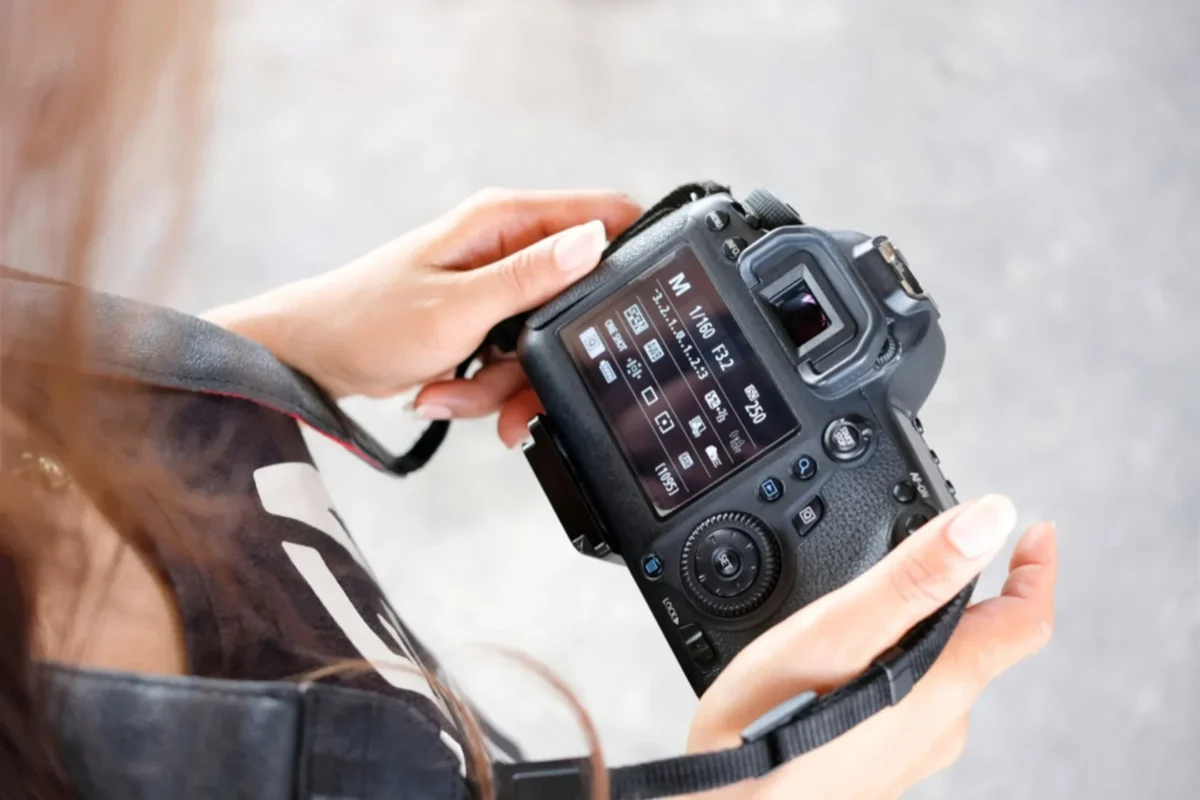
If you have ever wondered how professional photographers achieve that dreamy, blurred background behind a perfectly sharp subject, the secret lies in a concept called depth of field. Understanding depth of field is crucial for stunning portrait photography, whether you are shooting in a high-end photography studio or outdoors during a moody Seattle afternoon.
In this guide, we will explain exactly what depth of field is and help you decide when to use a wide aperture like f/1.8 versus a narrow aperture like f/8 for your next portrait session.
What is Depth of Field?
Depth of field (DoF) is the distance between the closest and farthest objects in a photo that appears acceptably sharp.
- A shallow depth of field (e.g., f/1.8) means only a small sliver of the image is in focus, blurring the background.
- A deep depth of field (e.g., f/8) means a much larger area of the image, from foreground to background, is sharp and in focus.
To achieve the best quality in portrait photography, choosing the right aperture setting is just as important as your lighting and posing.
The Magic of 𝑓/1.8: Creating Dreamy, Blurred Backgrounds
Shooting at f/1.8 (a wide aperture) is a favorite technique among portrait photographers. It isolates your subject from distracting backgrounds, drawing the viewer’s eye straight to the subject’s face and emotions.
When to use f/1.8:
- Individual Headshots & Close-ups: When you want the focus entirely on the subject’s eyes while the rest of the image softly fades away.
- Busy Locations: If you are taking photos at iconic but crowded photography spots in Seattle like Pike Place Market, f/1.8 helps blur out passing tourists and cluttered backgrounds.
- Low Light Conditions: A wide aperture lets more light into the camera, making it perfect for overcast Seattle days or stunning golden hour photography.
The Power of 𝑓/8: Sharp Details and Environmental Portraits
While f/1.8 is beautiful, it isn’t always the right choice. Shooting at f/8 (a narrower aperture) gives you a much deeper depth of field, ensuring that more of your scene is in sharp focus.
When to use f/:
- Group and Family Photos: If you have multiple people in the frame standing at slightly different distances from the camera, f/8 ensures everyone’s face is sharp. This is essential for our Seattle family portrait photography.
- Environmental Portraits: When the location is an important part of the story (like the Seattle skyline or Mount Rainier), you want the background to be recognizable, not blurred beyond recognition.
- Studio Lighting: When shooting in a professional photography studio, photographers often use strobes and shoot at f/8 to capture maximum detail and texture in the clothing and skin. Learn more about how this works in our guide to natural light vs. studio light.