Skip to main content Scroll Top

What quality mean in portrait photography

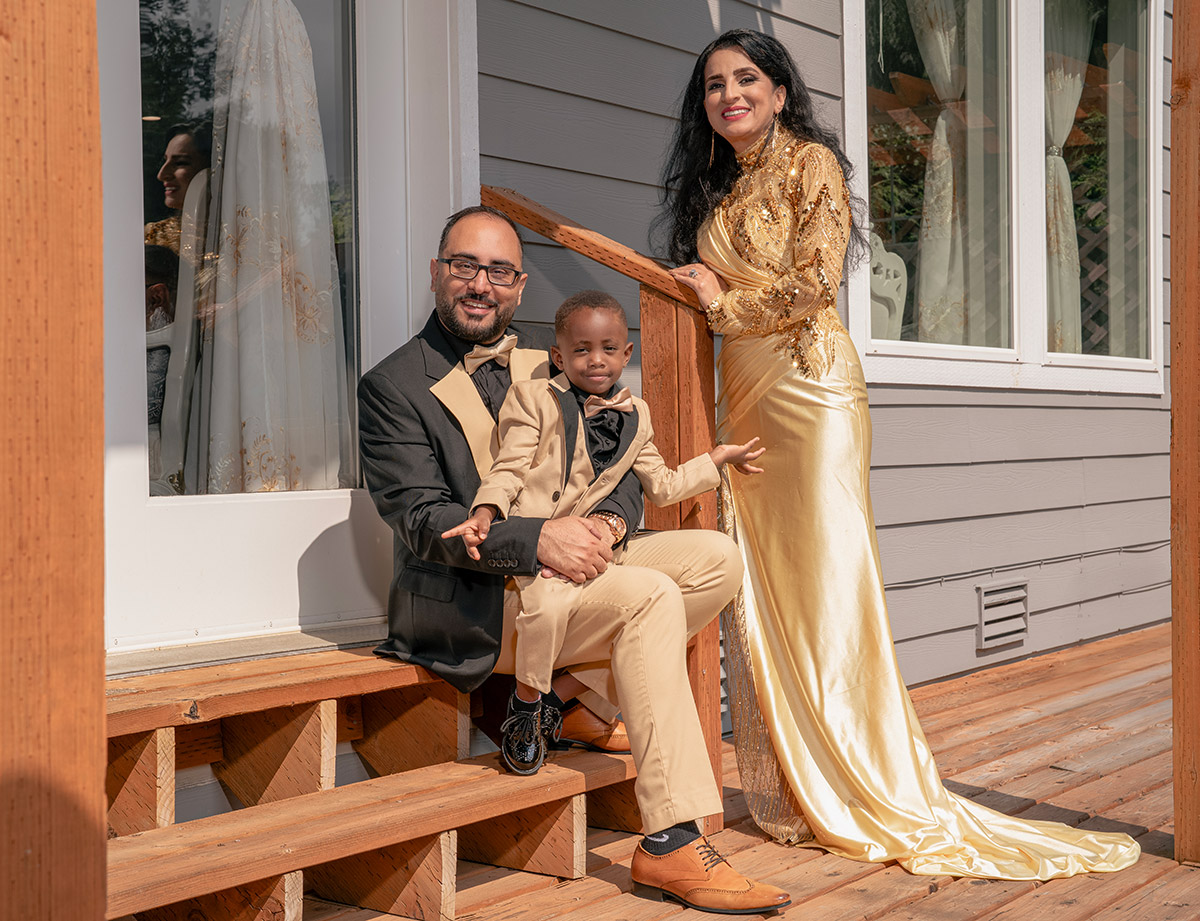
As we commemorate World Quality Day, it’s a great moment to reflect on what “quality” means, not only in business and industry but in your personal portrait photographs, too. For clients searching for a photographer or portrait photography, understanding what defines quality can make all the difference.

Quality is repeatable...

The bigger picture: Why quality matters

World Quality Day highlights the global importance of quality, defined by the Chartered Quality Institute as something that goes beyond simply meeting standards: it’s about performance, innovation, and trust. In photography, the same principle holds: a high-quality portrait isn’t just in focus and well-lit; it resonates, endures, and delivers value long after the session is over.

What quality looks like in portrait photography

When you’re browsing “portrait photography near me” or seeking “quality photography” for your family, business, or personal brand, here are the key factors you should be asking:

  • Technical excellence: Sharp focus on the subject’s eyes, accurate color rendition, clean lighting, and a well-controlled background. Technical issues like mis-focused eyes or blown-out highlights immediately diminish perceived quality.
  • Emotional & personal connection: A technically perfect image still falls flat if it doesn’t convey something about the person. A quality portrait captures personality, mood, or story.
  • Consistent style & finish: Whether natural light or studio light, quality means the finished images feel cohesive, polished, and reflect the purpose of the shoot (e.g., family, corporate headshot, or personal branding). You can read more about the difference between lighting styles in Natural Light vs. Studio Light.
  • Purpose-driven delivery: If you hire a photographer near you, you want images that serve your needs, whether for a website, LinkedIn, print album, or social media. Quality means the final product matches the intended use and stands up over time.
  • Thoughtful process & experience: Quality isn’t just the final image; it’s the entire session: how you felt, how the photographer prepared you (check our Preparing for Your Photoshoot), how the images were edited and delivered, and how you were guided through posing (see How to Pose for Photos).

Why local matters

When you search “photographer near me” or “portrait photography near me,” you want someone who understands your local context, light, background, and style. A local professional like Iconic Photography can leverage familiarity with the region, the best times of day (see Best Times of Day for Photography in Seattle), and the local aesthetic. That adds huge value. Quality isn’t just global standards, it’s local relevance too.

How to evaluate quality when you’re browsing

• Review the photographer’s portfolio: Are the images consistently good? Quality is repeatable.

• Ask about the process: Does the photographer discuss planning, lighting, wardrobe, editing, and delivery? These extras separate a snapshot from quality photography.

• Read testimonials and ask what clients felt about the experience. A great photo session feels relaxed and fun — and that shows in the final product.

• Ensure the images meet your usage needs (print vs. digital vs. commercial). The right crop, resolution, and color profile all matter for quality delivery.

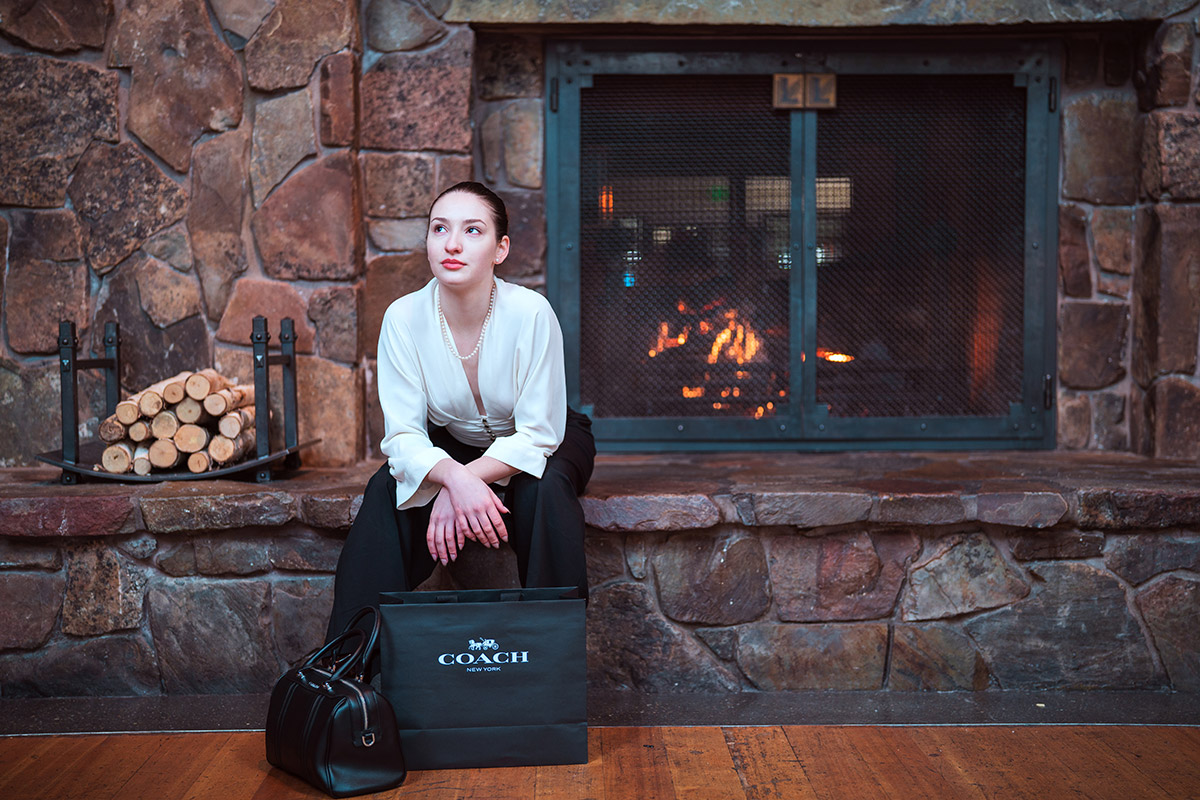
a woman sitting in a scene of photoshoot

Final thought

On World Quality Day, we’re reminded that quality isn’t a luxury; it’s an investment. In portrait photography, it means choosing a professional who treats your session as more than a quick shoot: someone who understands light, subject, story, and outcome.

If you’re searching for “portrait photography” or a “photographer” and you want images that will stand the test of time, place your emphasis on those aspects of quality. That’s what Iconic Photography is all about: delivering what quality truly means.

FAQ

1. What does “quality photography” cost?

Costs vary depending on experience, deliverables, and editing. True quality comes from planning, communication, and skill, not just equipment.

2. How long does a quality portrait session take?

Typically 30–90 minutes for the shoot, plus time for preparation and post-processing. Rushing reduces quality.

3. How do I choose between natural light and studio light for portraits?

Both have strengths. Natural light feels organic; studio light offers control and consistency. Read more in Natural Light vs. Studio Light.

4. How far in advance should I book?

The earlier, the better! Preparation allows wardrobe, styling, and lighting to align perfectly for the best quality results.

5. Can smartphones deliver “quality portrait photography”?

While smartphone cameras are improving, professionals bring expertise in lighting, posing, and editing that elevate your portraits from good to exceptional.

Recent Posts