Emerging Trends in Photography: AI in Photography
February 28, 2026
Cheap Vs. Premium Photographer: What You Actually Get
April 18, 2026
Every photographer starts as a beginner, and making mistakes is a natural part of the learning process. What separates photographers who improve quickly from those who struggle is recognizing these mistakes early and learning how to fix them.
Many beginners believe that buying a better camera will instantly improve their photos. In reality, the biggest improvements come from mastering the fundamentals—understanding light, composition, and camera settings.
Whether you’re interested in portraits, events, landscapes, or working with a professional Seattle photographer and videographer, avoiding common beginner mistakes will dramatically improve your results.
In this guide, we’ll explore the most common photography mistakes beginners make and how you can avoid them.
1. Not Understanding the Exposure Triangle
One of the most common beginner mistakes is adjusting camera settings without understanding how they affect each other.
Photography exposure is controlled by three key settings:
- ISO
- Aperture
- Shutter speed
Together they form the exposure triangle. Beginners who rely too heavily on automatic mode often struggle to control lighting and image quality.
Understanding exposure becomes even more important when photographing major events. Exploring different wedding photography styles can help beginners understand how professionals adapt to constantly changing lighting conditions.

2. Ignoring Lighting Conditions
Lighting is the foundation of great photography. Even the best composition can fail if lighting is harsh or poorly positioned.
Many beginners shoot in bright midday sunlight, which creates strong shadows and blown highlights.
Instead, photographers should:
- Shoot during softer light
- Use shaded areas outdoors
- Take advantage of window light indoors
Learning the difference between natural light vs studio light can help photographers choose the right lighting setup for different situations.
Another powerful technique is practicing golden hour photography, when the warm light of sunrise or sunset creates beautiful, flattering images.

3. Poor Composition
A common beginner habit is placing the subject directly in the center of every photo. While this can work sometimes, it often results in images that feel static and uninteresting.
Better composition techniques include:
- Rule of thirds
- Leading lines
- Natural framing
- Foreground elements
Urban environments provide excellent opportunities to practice composition. For example, street photography in Seattle allows photographers to experiment with movement, architecture, and dynamic scenes.
You can also discover creative angles by visiting Seattle’s secret photography spots that offer unique visual backgrounds.

4. Shooting Without a Clear Subject
Strong photographs always guide the viewer’s eye toward a clear focal point. Beginners often photograph busy scenes without defining what the viewer should focus on first.
To improve your photos:
- Simplify the frame
- Move closer to your subject
- Use depth of field to isolate the subject
Portrait photography benefits greatly from these techniques. Learning 10 tips for natural poses in portrait photography in Seattle can help beginners capture more engaging and authentic expressions.

5. Using the Wrong Aperture
Many beginner photographers love shooting with a wide aperture to create background blur. However, using a very low f-stop in every situation can cause parts of the image to fall out of focus.
Different scenarios require different aperture settings:
- Portraits: f/1.8 – f/2.8
- Small groups: f/4 – f/5.6
- Landscapes: f/8 – f/11
Capturing animals or pets also requires careful focus control. This is explained in this guide to pet portrait photography in Seattle.

6. Ignoring the Background
Beginners often focus only on their subject and forget to check what appears behind it.
Distracting backgrounds can include:
- Cluttered objects
- Bright colors
- Random elements
Being aware of your background is especially important in family photography sessions. Understanding these family photography mistakes can help you create cleaner and more professional images.

7. Over-Editing Photos
Editing is an important step in photography, but beginners often go too far.
Over-editing can lead to:
- Unrealistic colors
- Excessive sharpening
- Artificial skin tones
A balanced workflow is essential. Learning from a professional photo editing guide can help photographers enhance their images without losing natural detail.

8. Not Experimenting With Angles
Many beginners photograph everything from eye level, which limits creativity.
Try experimenting with:
- Low angles
- High angles
- Reflections
- Diagonal compositions
Exploring new locations is a great way to practice creative perspectives. The top photography locations in Seattle offer incredible opportunities to experiment with framing and lighting.
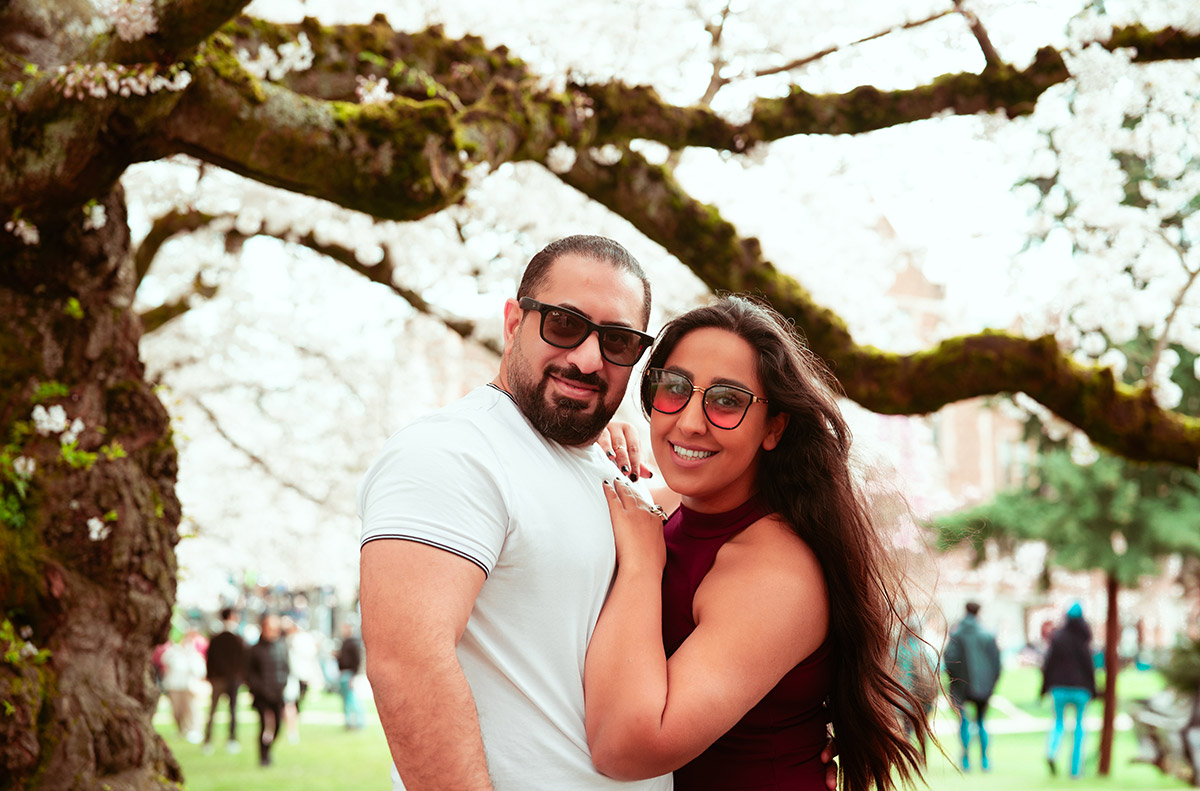
Seasonal events also create unique opportunities for photography, such as photography during cherry blossom season in Seattle when vibrant colors and soft light create stunning images.
9. Taking Only One Shot
Another beginner mistake is taking just one photo and moving on.
Professional photographers often capture multiple shots because small differences in expression, movement, or timing can dramatically improve the final image.
If you’re planning a session, following advice from this guide to preparing for your photoshoot can help ensure better results.
Conclusion
Every photographer makes mistakes when starting out. The key to improvement is recognizing those mistakes and practicing intentionally.
By focusing on lighting, composition, camera settings, and editing, beginners can dramatically improve their photography skills.
With patience and consistent practice, you’ll begin to see significant improvements in the quality and creativity of your photos.
Wedding Photography FAQs
The most common mistake is not understanding how ISO, aperture, and shutter speed work together to control exposure and image quality.
Blurry photos often happen because of slow shutter speed, camera shake, or incorrect focus. Increasing shutter speed or using a tripod can help prevent blur.
Incorrect exposure settings usually cause this problem. Adjusting ISO, aperture, and shutter speed will help balance brightness.
Automatic mode is helpful for beginners, but learning manual or aperture priority mode gives photographers much more creative control.
The fastest ways to improve are practicing regularly, studying lighting, experimenting with composition, reviewing your photos, and learning from professional photography resources.