Best Seattle Photo Locations: The Complete Local Photographer’s Guide (Vantages, Permits & Light)
October 28, 2024
Preparing for Your Photoshoot: Look & Feel Your Best
November 10, 2024There is a reason professional photographers consider it their magical ingredient: golden hour photography transforms ordinary scenes into breathtaking works of art. In a visually rich location like Seattle, the golden hour offers a unique blend of warm, soft light and dynamic shadows, making it the perfect setting for capturing landscapes, portrait photography, and everything in between.
Whether you are an experienced professional or a passionate amateur, understanding how to shoot during this fleeting window of time will elevate your images from good to unforgettable. With the right planning, techniques, and creative vision, you can harness this natural glow to create photographs that truly shine.
What is the Golden Hour?

The golden hour is the brief window of time occurring just after sunrise and right before sunset. During this period, the sun is low on the horizon, casting a soft, warm, and directional glow. While it is called an “hour,” the actual duration varies depending on your location and the season.
If you are planning a session, understanding the best times of day for photography in Seattle is essential to ensure you don’t miss this fleeting, flattering light.
Why Golden Hour is the Secret to Stunning Photos
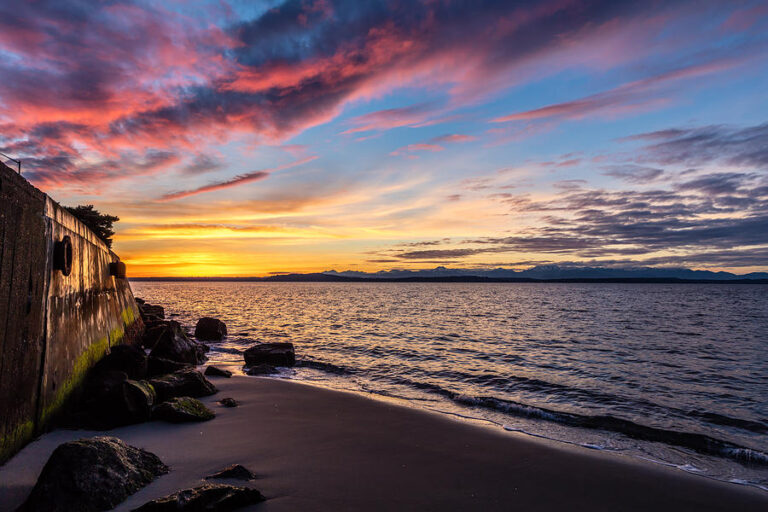
Using this time of day is one of the most effective ways to create stunning imagery, especially if you prefer outdoor sessions. When comparing natural light vs studio light, the golden hour provides naturally flattering conditions without the need for complex studio setups.
Here is why this lighting is so highly sought after:
- Soft and Diffused Light: Because the sun is low, the atmosphere acts as a giant diffuser. This drastically reduces harsh shadows and prevents blown-out, overexposed highlights.
- Warm, Flattering Tones: The sunlight takes on rich, golden, and amber hues. This naturally warms up skin tones, giving an inviting and romantic quality to your photos—an effect that is particularly stunning for what to wear for engagement photos in Seattle and family portraits.
- Dimensional Shadows and Texture: The low angle of the sun casts longer shadows, which adds incredible depth, contrast, and texture to your compositions.
- Balanced Exposure: The reduced contrast between the sky and the ground makes it much easier for your camera to capture an even, well-exposed image, saving you time and effort.
How to Plan a Golden Hour Session in Seattle
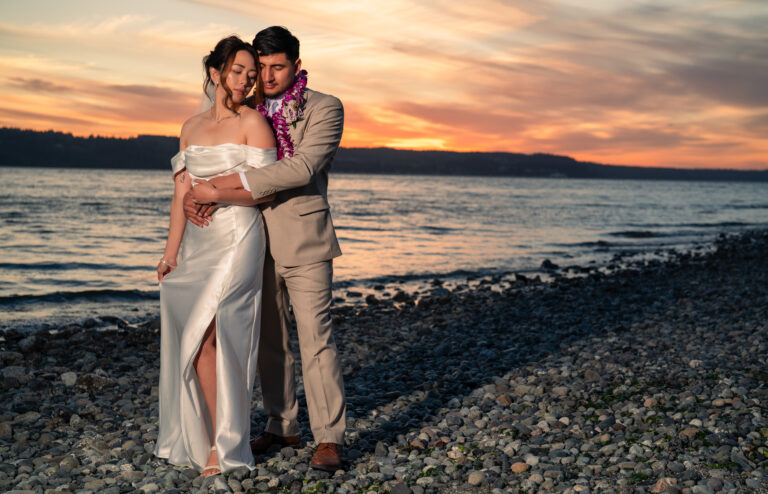
- Scout Your Location in Advance: The golden hour moves quickly. You do not want to waste this precious light looking for a background. Plan your composition early, and consider exploring Seattle’s secret photography spots for unique backdrops.
- Focus on Composition and Posing: Use the soft, directional light to highlight your subject. Apply framing techniques, leading lines, and the rule of thirds. If you are photographing couples, brushing up on professional wedding photography poses can provide fresh, romantic ideas.
- Utilize Reflectors and Diffusers: While the natural light is beautiful on its own, a simple reflector can bounce that warm glow back into your subject’s face, filling in any unwanted shadows.
- Embrace the True Colors: To keep the genuine warmth of the scene, adjust your white balance manually and always shoot in RAW. This ensures you retain maximum data for post-processing.
Post-Processing: Enhancing the Magic
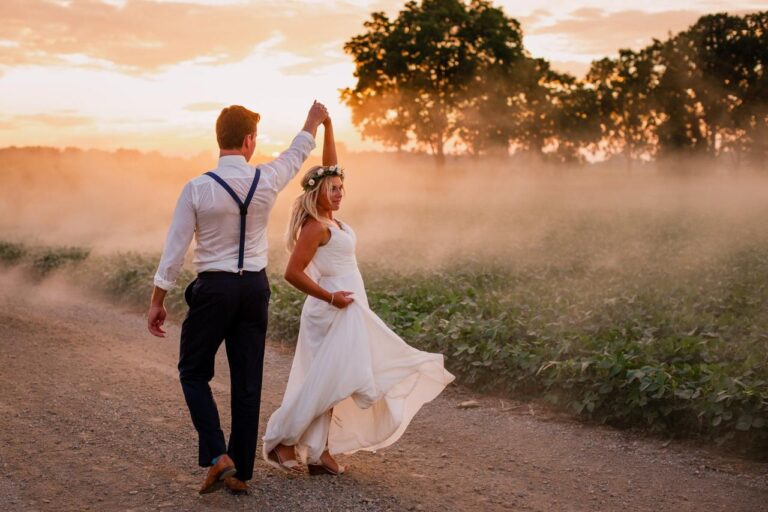
Even the most perfect golden hour shot can benefit from a professional touch. Here are a few post-processing tips:
- Enhance the Warmth: Slightly increase the color temperature and adjust the vibrance to bring out the richness of the sunset or sunrise.
- Highlight the Details: Use selective editing (like dodging and burning) to draw the viewer’s eye to the subject’s face or to emphasize the texture in the landscape.
- Use Graduated Filters: A graduated filter can balance the exposure perfectly, allowing you to darken a bright sky while lifting the shadows in the foreground.
For more advanced techniques, explore our comprehensive photo editing guide to help you maintain a consistent, professional look across your portfolio.
Ready to Capture Your Own Golden Hour Magic?
The golden hour is a photographer’s secret weapon, offering soft, warm light that instantly transforms ordinary portraits into extraordinary memories. Whether you are planning an intimate family session or looking for breathtaking wedding photography, we know exactly how to harness this fleeting, magical light to elevate your photos.
Let’s chase the light and create something beautiful together. We proudly provide professional photography services across Seattle, Bothell, Woodinville, Lynnwood, Everett, Mill Creek, and Snohomish.
Contact Us Today to Book Your Golden Hour SessionFrequently Asked Questions (FAQ)
The golden hour occurs shortly after sunrise and just before sunset when the sun is low on the horizon. The exact timing depends on your geographic location and the time of year. Using a golden hour calculator app is the best way to get precise timings for your shoot.
Because the sun is lower, the light travels through more of the Earth’s atmosphere, which diffuses it. This results in soft, warm light that smooths out skin tones, eliminates harsh under-eye shadows, and creates a professional aesthetic without artificial lighting.
Absolutely. While midday light can be harsh and create unflattering shadows, you can adapt by seeking open shade (like under a tree or building awning), using diffusers to soften the sunlight, or utilizing reflectors to bounce light and fill in dark shadows.
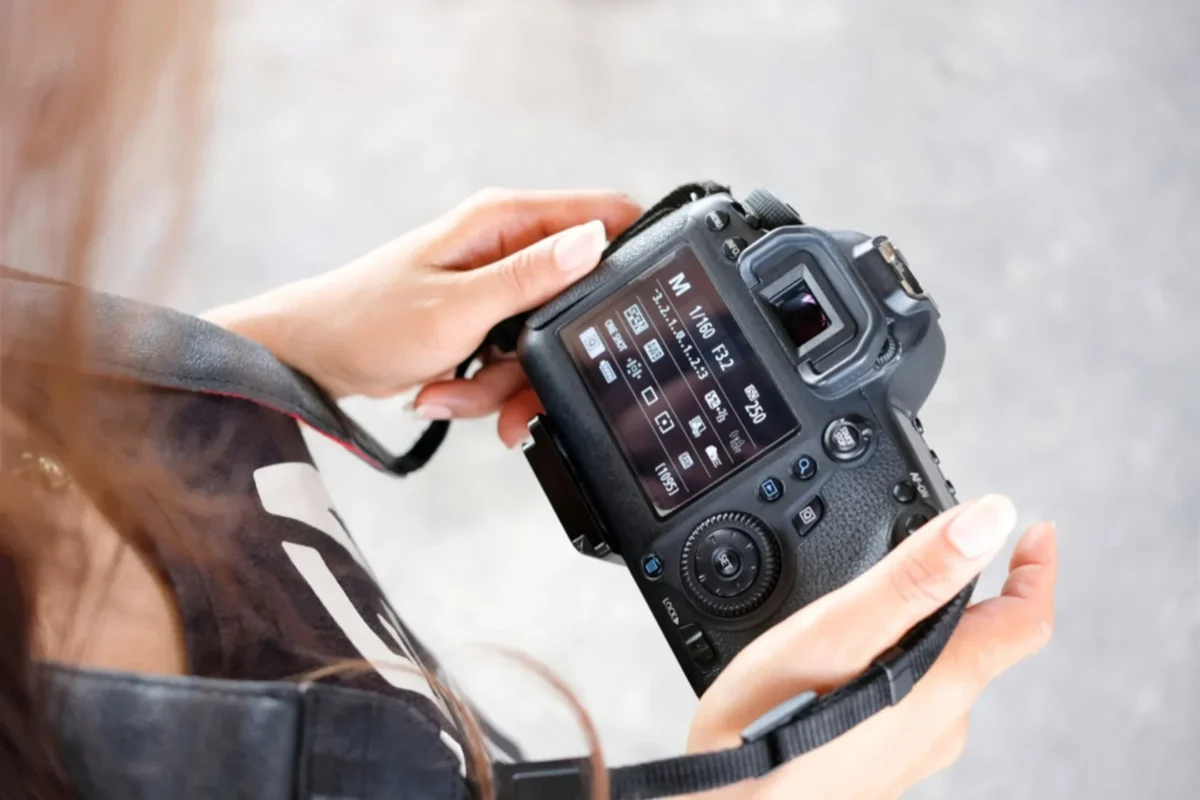
Keep your ISO as low as possible (e.g., 100 or 200) to ensure a clean, grain-free image. Adjust your aperture based on your desired depth of field (a wider aperture like $f/2.8$ will give you a beautiful, blurry background). Because the light is fading during sunset, you may need to gradually decrease your shutter speed to let more light into the sensor.
Not necessarily. The natural light is stunning on its own. However, a 5-in-1 reflector is an inexpensive tool that can drastically improve your portraits by bouncing warm light onto your subject. Additionally, if the light gets very low, a tripod is helpful to prevent camera shake.