Why Editing Matters (Does it?)
January 31, 2026
Wedding Photo and Video Package in Seattle
February 7, 2026
In this post, you’ll learn 5 powerful composition techniques used by professional Seattle photographers to improve your phone photography instantly. Simple tips, real examples, and expert guidance from Iconic Photography.

Why Composition Matters in Phone Photography
Let’s be honest… Most of us have hundreds of photos on our phones, but only a few truly stand out. The difference between a quick snapshot and a professional-looking image usually comes down to one thing: composition.
The best part? You don’t need expensive gear to learn it. These techniques work whether you’re practicing casual local street shots, preparing for a portrait session, or even planning a future wedding shoot.
At Iconic Photography, we apply these same visual principles across everything from Seattle wedding photography to creative commercial branding photography. And today, you can start using them with just your phone.

1. The Rule of Thirds: The Foundation of Strong Composition
The rule of thirds is one of the easiest ways to make your phone photography look instantly more professional.
Try This:
Turn on your camera grid and place important elements — like a subject’s eyes — at the intersection points.
If you struggle to look natural in front of the camera, this small adjustment often makes poses feel more relaxed and balanced. For deeper posing ideas, explore our 10 tips for natural poses in portrait photography in Seattle.
Pro Insight:
Professional photographers use this approach everywhere — from engagement sessions guided by our wedding photography poses to everyday phone photography.

2. Leading Lines — Guide the Viewer’s Eye
Leading lines create movement and storytelling within a photo. Sidewalks, railings, bridges, or even shadows can direct attention toward your subject.
Try This:
Shoot along a path rather than standing straight in front of it.
Exploring street photography in Seattle or discovering Seattle’s secret photography spots is a great way to practice this technique.
Pro Insight:
Leading lines are powerful in both personal and business visuals. They help tell stories in lifestyle images and even in corporate visuals like Seattle Corporate Event Videography: Capturing Your Business Moments with Iconic Photography or our guide to top 10 creative ideas for memorable event videography.

3. Framing Within the Frame — Add Depth Instantly
Framing uses elements like windows, trees, or architecture to create a natural border around your subject.
Try This:
Position your subject within an archway or doorway to draw attention and reduce distractions.
This works beautifully for intimate moments in natural lifestyle photography sessions or even cozy pet portrait photography in Seattle.
If you’re planning a session, reviewing tips on preparing for your photoshoot can help you make the most of framing techniques.

4. Embrace Symmetry & Reflections — Balance and Visual Impact
Symmetry creates calm, structured images that feel polished and intentional.
Try This:
After rainfall, capture reflections around iconic local locations like the Skagit Valley Tulip Festival photography spots or during golden hour using our golden hour photography guide.
You can also experiment with seasonal shoots like fall photography in Seattle or festive setups such as Christmas portrait ideas for couples & families.
Pro Insight:
Understanding symmetry helps define your visual identity. If you’re exploring your creative direction, our guide on finding a photography style that fits you is a great next step.

5. Fill the Frame vs. Negative Space — Control the Mood
These two techniques shape the emotional tone of your photos.
Fill the Frame
Get closer to emphasize details — perfect for expressive portraits or meaningful moments. Check our resource on quality in portrait photography to understand why detail matters.
Use Negative Space
Leave room around your subject to create a minimalist or storytelling effect. This approach is widely used in travel photography and modern branding visuals.
Your wardrobe and styling also affect composition — our guides on what to wear for engagement photos in Seattle and the best outfit for a photoshoot in Seattle can help.

Bonus Pro Tips from Iconic Photography
Composition is only one part of creating stunning images. Professional photographers also consider lighting, storytelling, and preparation.
You can explore more advanced guide and tips content like:
- Natural light vs studio light
- Best times of day for photography in Seattle
- Storytelling in photography
- Editing importance
- Photo editing workflow
These resources help transform good photos into memorable visual stories.
Your Next Step Toward Frame-Worthy Photos
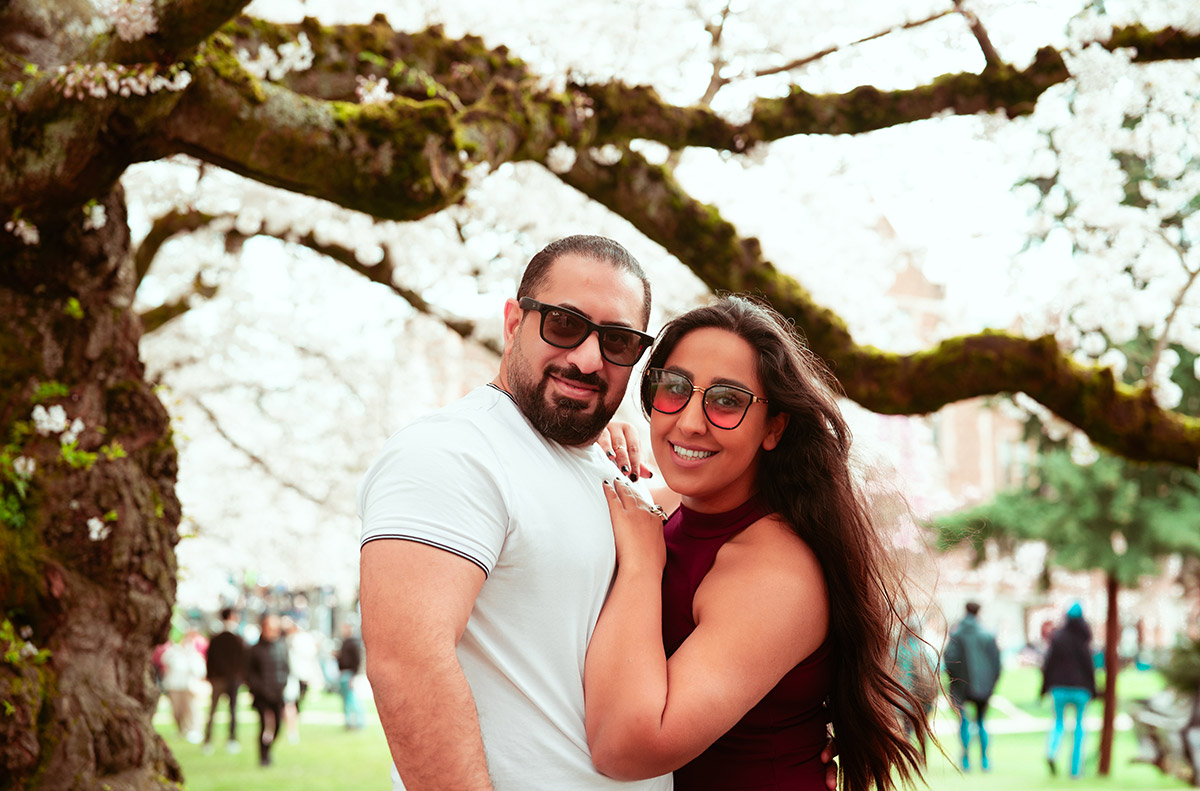
Practicing these five techniques will completely change how you see the world through your phone camera. You’ll start noticing strong compositions everywhere — from a casual walk around top photography locations in Seattle to seasonal moments like cherry blossom photography in Seattle.
At Iconic Photography, we combine creative composition with professional expertise — whether it’s an intimate family portrait photography guide or large-scale commercial storytelling.
If you’re ready to elevate your photos beyond phone snapshots, explore our local services here:
Ready to create something unforgettable?
Phone Photography FAQs
Composition refers to how elements are arranged within your photo. Techniques like rule of thirds, leading lines, and framing help guide the viewer’s eye and make images more visually appealing.
Yes. With strong composition, good lighting, and intentional storytelling, smartphones can produce high-quality images — especially when combined with editing and styling guidance.
The rule of thirds is the best starting point. Simply activate your camera grid and place your subject off-center for more dynamic photos.
Practice relaxed body angles and natural movement. Guides like camera-shy confidence tips and how to pose for photos can help you feel more comfortable.
Absolutely. Even small adjustments in contrast, exposure, or color balance — as explained in our editing importance guide — can dramatically improve the final result.