

Real Estate Agent Headshots: How to Stand Out in the Seattle Market
June 24, 2026
Master Settings on National Camera Day
July 1, 2026The FIFA World Cup is more than just a global sports phenomenon; it is a visual time capsule. From grainy black-and-white newspaper clippings of the 1930s to hyper-realistic, instantaneous digital galleries of today, the way we capture the beautiful game has completely transformed. With Seattle proudly serving as a host city for the 2026 World Cup, the spotlight is on how visual storytelling is evolving.
Let’s dive into the fascinating journey of sports photography, from its humble film beginnings to the groundbreaking AI technologies defining 2026.
The Early Days: Film and the Value of Patience
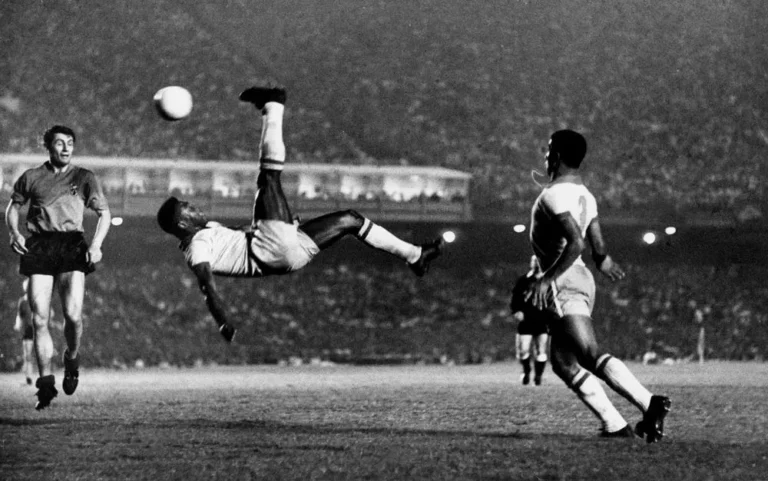
If you ever wonder when was photography invented, the core concepts date back to the early 19th century. However, capturing fast-paced sports on film didn’t truly peak until the mid-to-late 20th century. During tournaments like the 1970 and 1986 World Cups, sports photographers carried heavy, fully manual gear.
Shooting on film meant you had 36 exposures per roll. Photographers had to possess an incredible sense of timing, anticipating a goal or a tackle milliseconds before it happened. There was no instant review—just the hope that the focus was sharp and the exposure was correct. The raw, emotional grit of these film photos remains timeless, laying the foundation for modern portrait photography and action shots alike.
The Digital Shift: Speed, Precision, and the Best Cameras
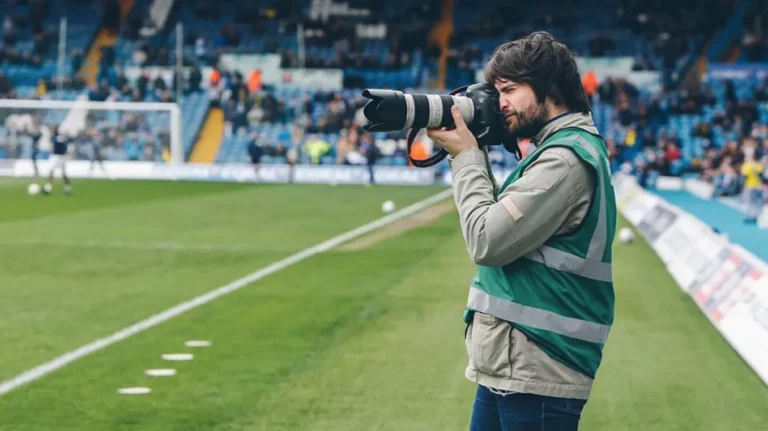
The late 1990s and 2000s marked the digital revolution. Photographers covering the World Cup traded film rolls for memory cards. Today, if you search for the best camera for photography, you’ll find mirrorless marvels capable of shooting 30 frames per second with silent shutters and flawless autofocus.
This era also introduced advanced photo editing techniques. Photographers can now crop, color-correct, and transmit images to global news desks directly from their cameras via Wi-Fi in a matter of seconds. The gap between the event happening on the pitch and the world seeing it shrank from hours to mere moments.
2026 and Beyond: The Era of AI Photography
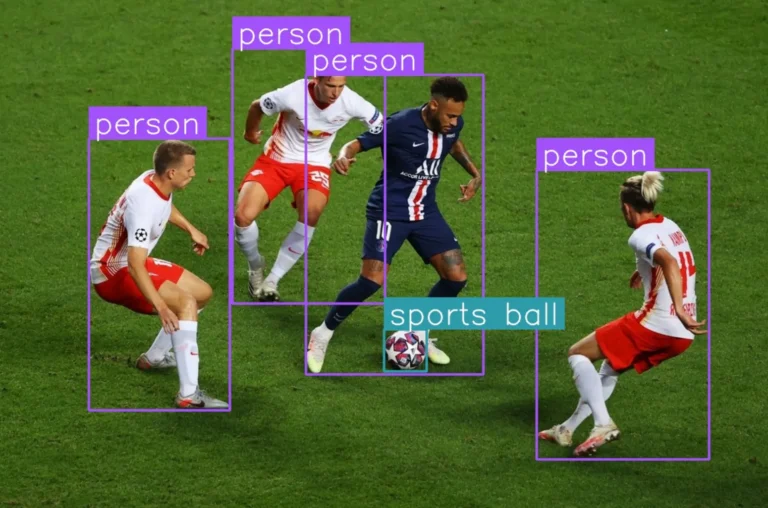
As we approach the 2026 World Cup, the conversation is shifting toward AI photography. Artificial intelligence isn’t replacing the photographer; it’s enhancing their capabilities.
In modern sports photography, AI is used for:
- Predictive Autofocus: Cameras can now recognize a soccer player’s face, torso, and even the ball, keeping them in sharp focus even when someone crosses the frame.
- Intelligent Cropping: AI tools can automatically crop high-resolution images to highlight the most intense action.
- Noise Reduction: Shooting night games under stadium lights requires high ISOs. AI editing software effortlessly removes digital noise, keeping the image pristine.
Capture Your Own Iconic Moments: Book Your Session Today
You don’t need to be a World Cup athlete to get world-class photos. We bring championship-level equipment, expert editing, and professional lighting to clients across Greater Seattle—proudly serving Bothell, Woodinville, Lynnwood, Everett, Mill Creek, and Snohomish.
Whether we shoot at a professional photography studio or one of the top 10 photography locations in Seattle, our team guarantees stunning results.
Click here to book your world-class photo shooting session with Iconic Photography today!Frequently Asked Questions (FAQ)
The best cameras for fast-paced action are professional mirrorless cameras (like top-tier models from Sony, Canon, and Nikon) that offer high frame rates (20-30 fps), AI-driven subject-tracking autofocus, and excellent low-light performance.
AI photography assists professionals by improving autofocus tracking, automating complex lighting adjustments, and speeding up the photo editing workflow through intelligent noise reduction and color grading.
Yes! We are proud to serve a wide local area. We frequently book photoshoots and videography sessions in Bothell, Woodinville, Lynnwood, Everett, Mill Creek, and Snohomish.
Preparation involves choosing the right location (natural light vs. studio light), selecting coordinating outfits, and discussing your vision with your photographer beforehand so we can capture your authentic story.


1 Comment
Great content! Keep up the good work!