The Evolution of World Cup Photography: From Film to AI in 2026
June 28, 2026
National Camera Day is the perfect excuse to finally take your camera off “Auto” and unlock its full potential. Whether you are an aspiring hobbyist or just want to take better everyday photos, understanding the fundamentals of your camera settings will instantly elevate your images.
If you are out exploring Seattle, Bothell, or Woodinville today, here is a quick guide to mastering your settings for better photography.
The Exposure Triangle Basics
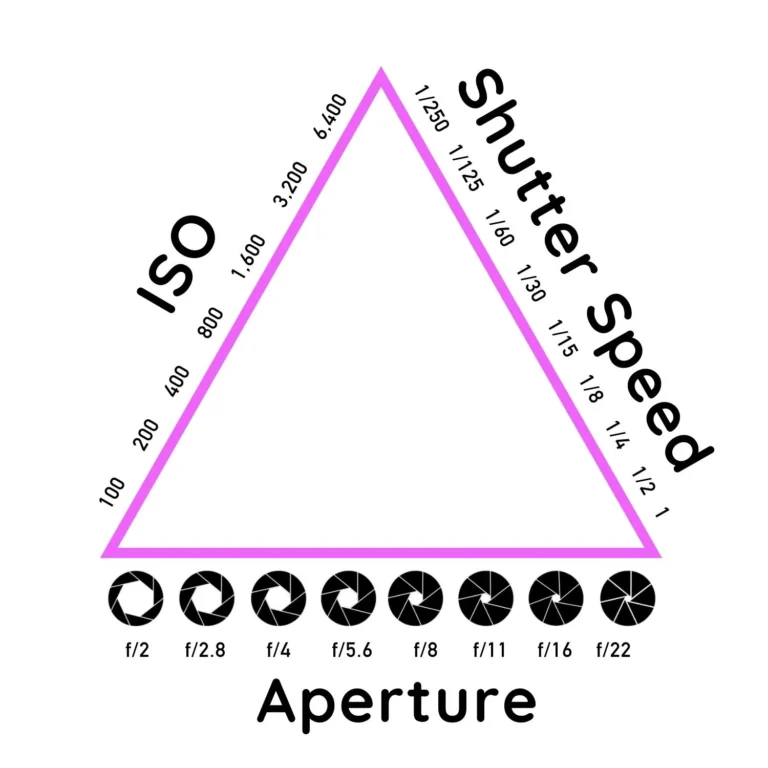
To get off Auto mode, you need to understand the exposure triangle. This is the foundation of all photography and determines how light or dark your image will be.
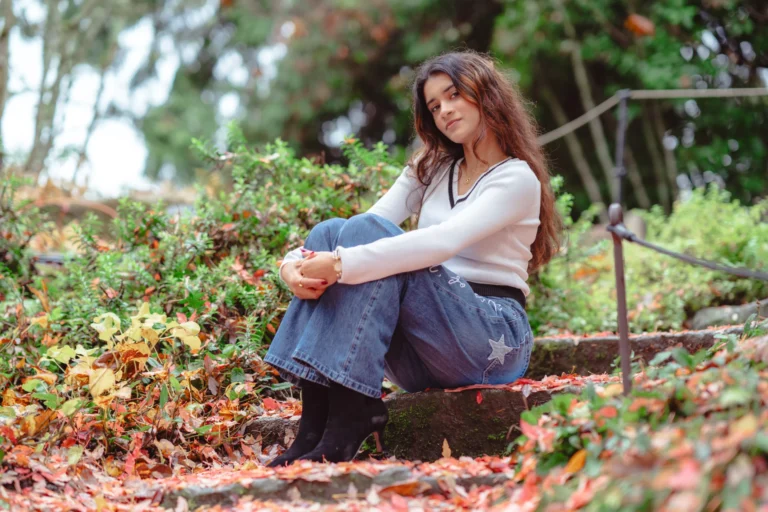
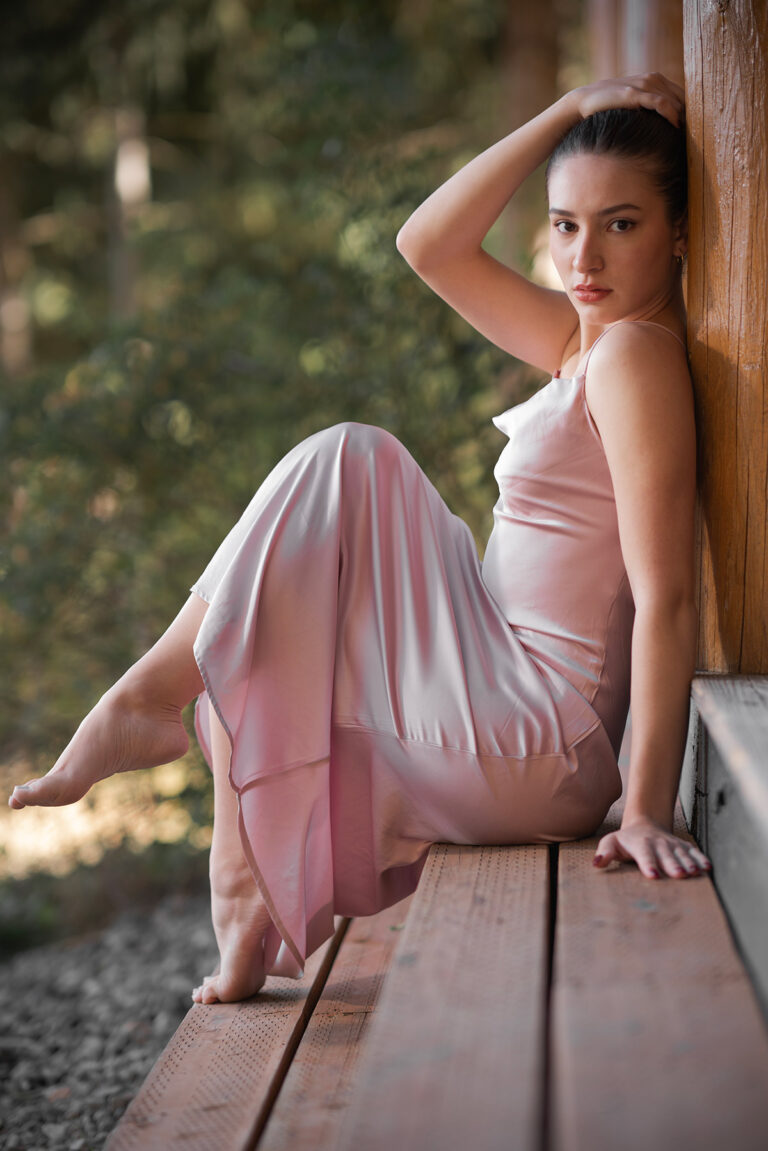
- Aperture (f-stop): Controls the depth of field. A lower number (like f/2.8) gives you a blurry, dreamy background—perfect for quality portrait photography. A higher number (like f/8) keeps more of the scene in focus, ideal for landscapes.
- Shutter Speed: Controls motion. Fast shutter speeds (1/1000s) freeze action, while slow shutter speeds let more light in but can cause motion blur.
- ISO: Controls the sensor’s sensitivity to light. Keep this as low as possible (ISO 100 or 200) for crisp images, and only raise it when shooting in dark environments.
Mastering Light in the Pacific Northwest
Once your settings are locked in, lighting is your next biggest tool. In the Pacific Northwest, the lighting changes rapidly. Knowing how to use golden hour photography techniques can transform a flat image into something magical.
If you are shooting indoors versus outdoors around Lynnwood or Everett, it helps to understand the difference between natural light vs. studio light to adjust your ISO and aperture accordingly.
Step in Front of the Lens
Practicing your settings is a great way to celebrate National Camera Day. However, the best way to guarantee stunning, wall-worthy images is to step out from behind the lens and let a professional take over.
Whether you want to explore scenic spots in Mill Creek or need a stunning backdrop in Snohomish, preparing for your photoshoot with a seasoned expert ensures you get high-end results without the stress of managing f-stops and shutter speeds. We will even guide you on how to pose for photos so you look entirely natural.