Master Settings on National Camera Day
July 1, 2026Fine Art Wedding Photography in Seattle
July 8, 2026
Lighting is the absolute foundation of a great image. Whether you are using a smartphone or a professional camera, understanding how light shapes your subject is the secret to transforming a good photo into a breathtaking one.
At Iconic Photography, we know that whether you are planning a rustic outdoor shoot in Snohomish or an elegant indoor studio session in Seattle, mastering light is essential. If you are preparing for your photoshoot, this guide will help you understand the basics of photography lighting and how we use it to capture your best angles.
Understanding Light Sources
Natural Light vs. Studio Light
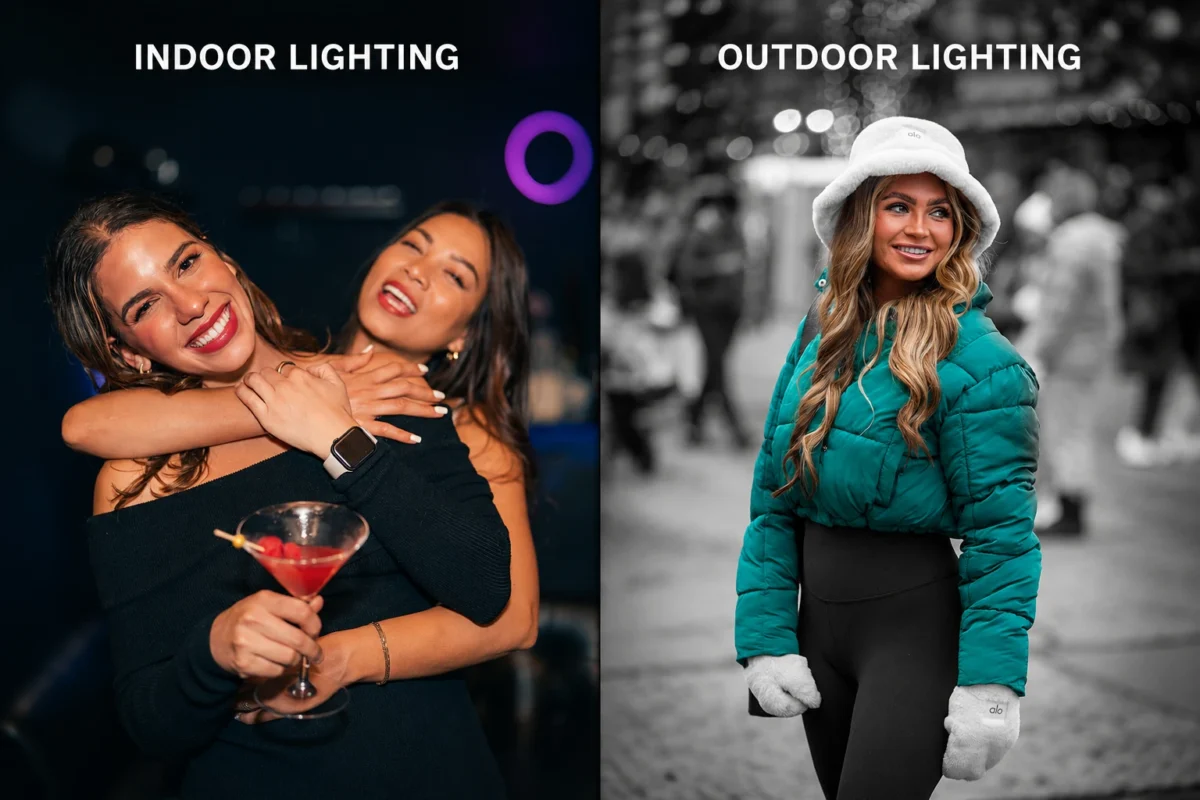
When planning a session, one of the first decisions is choosing between natural light vs studio light.
- Natural Light: Utilizes the sun. It is incredibly flattering and versatile but changes based on the weather and time of day.
- Studio Light: Uses artificial flashes and strobes. This provides complete control over the environment, which is perfect for dramatic or highly stylized portraits.
Soft Light vs. Hard Light
The quality of light dramatically changes the mood of a photo.
- Soft Light: Created when the light source is diffused or large relative to the subject (like an overcast day in Lynnwood). It wraps around the face, reducing wrinkles and hiding blemishes.
- Hard Light: Created by a direct, small light source (like the bright midday sun). It produces sharp, high-contrast shadows that can look edgy and dramatic, but is generally harder to master for standard portrait photography.
The Magic of Golden Hour Photography
If you browse any professional portfolio, you will notice a distinct, warm glow in many outdoor portraits. This is golden hour photography.
Occurring just after sunrise and just before sunset, the golden hour provides a soft, warm light that is universally flattering. The sun is lower on the horizon, which eliminates the harsh under-eye shadows you get at noon. If we are shooting outdoors at a gorgeous park in Woodinville or Bothell, we will almost always suggest booking during this timeframe.
Best Times of Day for Photography Locally
Living in the Pacific Northwest means dealing with dynamic weather. The best times of day for photography in Seattle and surrounding areas depend heavily on cloud cover.
- Sunny Days: Early morning or late evening (golden hour) are non-negotiable for the best results.
- Overcast Days: The clouds act as a giant softbox. This means we can shoot beautiful, evenly-lit portraits in Everett or Mill Creek almost any time of day.