Landscape and Travel Photography
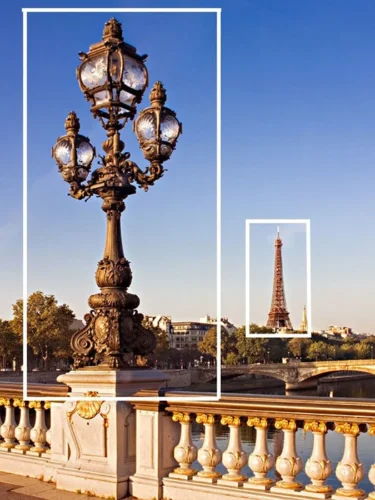
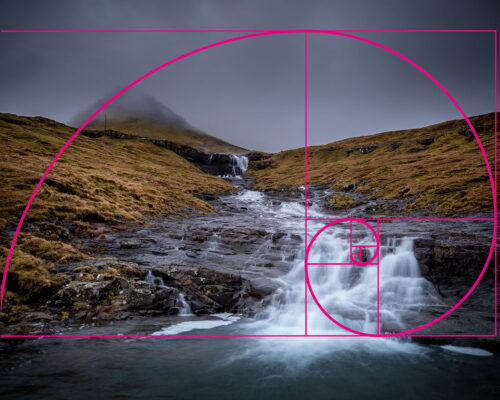
The Golden Ratio can also make landscapes more dynamic and visually compelling.
- Position horizons or major elements along the spiral curve
- Include foreground and background elements to lead the eye naturally
- Experiment with different perspectives, inspired by our travel photography tips
Event and Commercial Photography
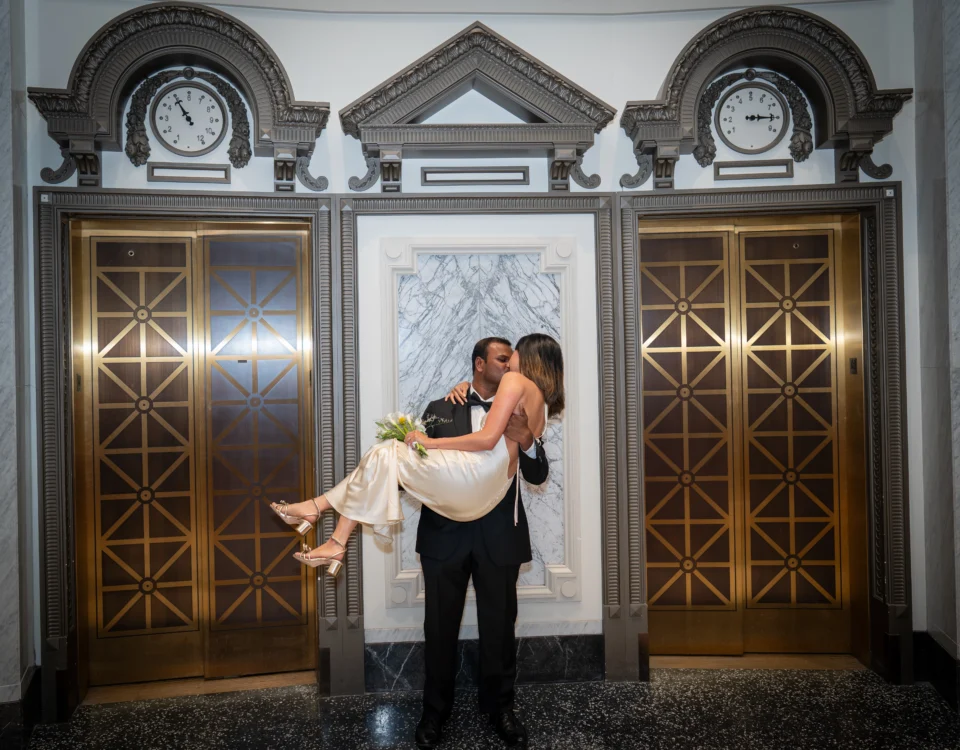
From weddings to corporate events, the Golden Ratio can improve storytelling:
- Capture moments where action or emotion aligns with the spiral focal points
- Use compositional balance to highlight products or people
- For business shoots, see examples in Seattle Branding Photography
Practical Ways to Apply the Golden Ratio
Here are some actionable steps to use the Golden Ratio in your photography:
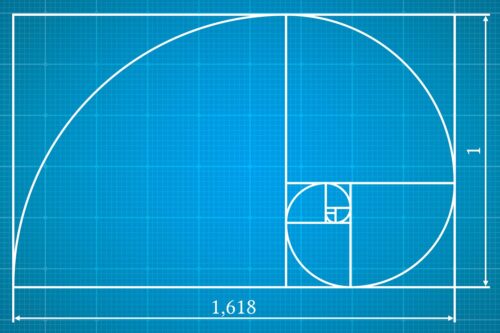
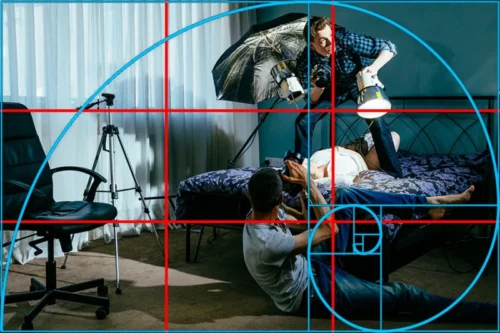
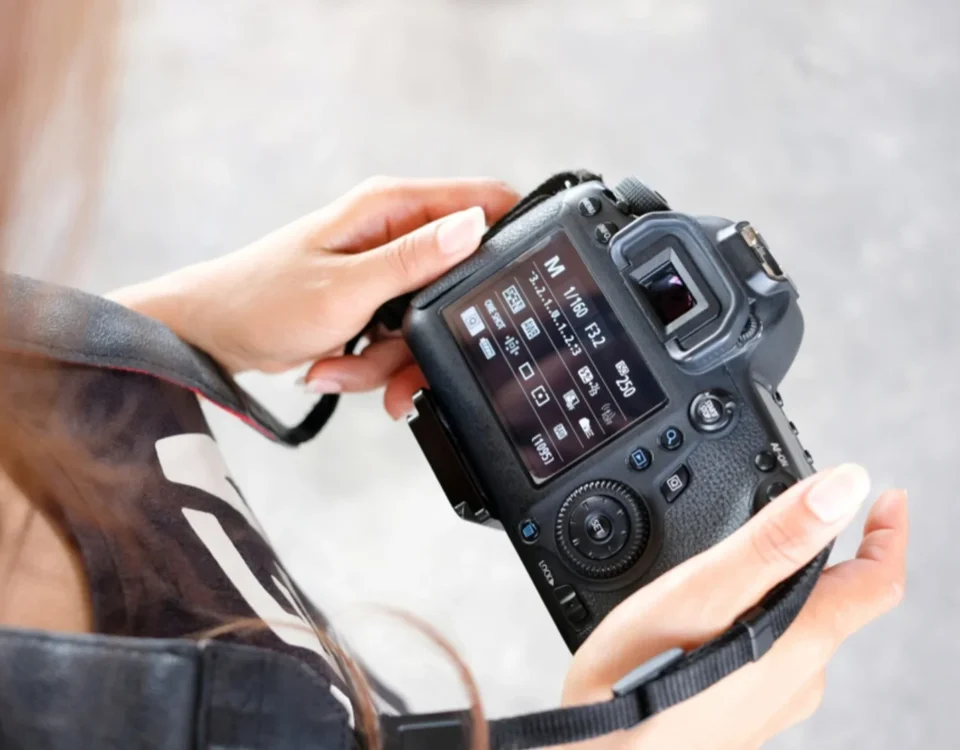
- Overlay a spiral on your viewfinder or screen (many cameras have grid options)
- Position your main subject at the spiral’s center
- Use natural lines and shapes in the environment to follow the curve
- Experiment with cropping in post-production to align elements perfectly
By practicing these tips, your photos will naturally feel more professional and engaging.
Examples of the Golden Ratio in Photography
- Portraits: Position the eyes or face along the spiral’s center
- Landscapes: Lead the eye through paths, rivers, or coastlines
- Events: Capture key moments at the spiral’s focal points
You can also explore other photography techniques like natural light vs. studio light to further elevate your compositions.
The Golden Ratio isn’t just a math concept—it’s a powerful tool to make your photography more visually appealing and emotionally engaging. Whether you’re capturing portraits, landscapes, or events, understanding and applying this principle can transform your work.
Ready to take your photos to the next level? Explore our guide and tips section for more expert advice and start creating perfectly balanced shots today.
FAQs
1. What is the golden ratio in simple terms?
It’s a natural balance point where one section is about 1.6 times larger than the other—visually pleasing and widely used in art and photography.
2. How do photographers use the golden ratio?
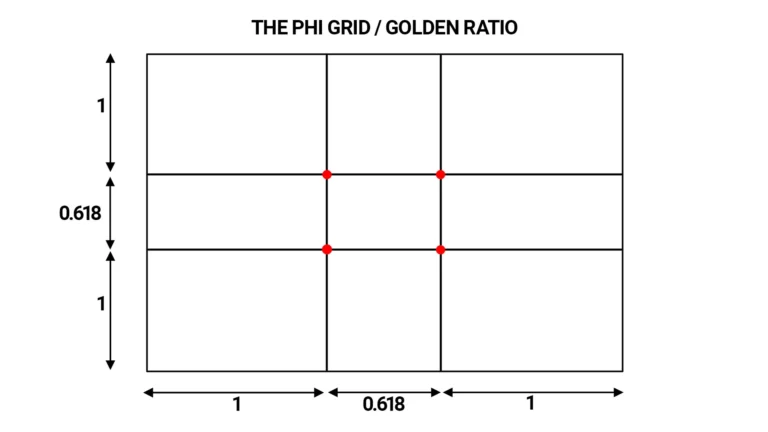
By placing subjects along a spiral or grid that follows the 1.618 proportion, guiding the viewer’s eyes.
3. Is the golden ratio better than the rule of thirds?
Not better—just more advanced. The golden ratio offers a smoother, more natural flow.
4. Can beginners use the golden ratio?
Absolutely. Start with the spiral overlay on your camera or editing software.
5. Where can I see golden ratio photography examples?
Look for images with natural curves, leading lines, or balanced placement of subjects—especially in landscape and portrait work.