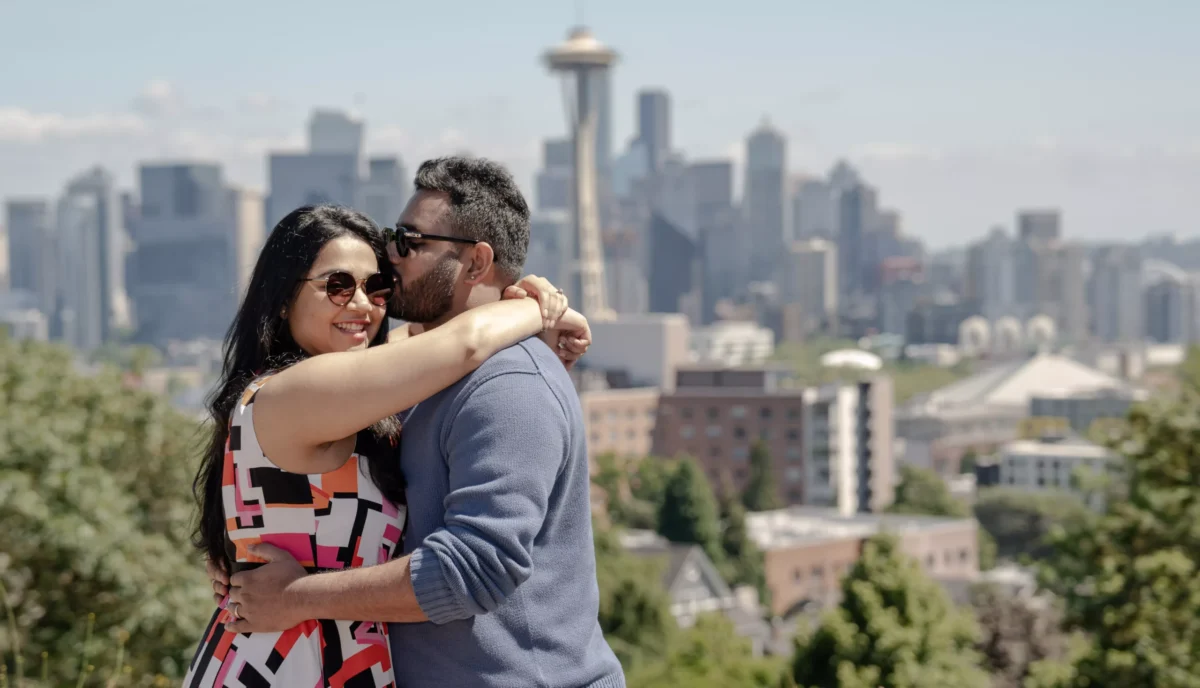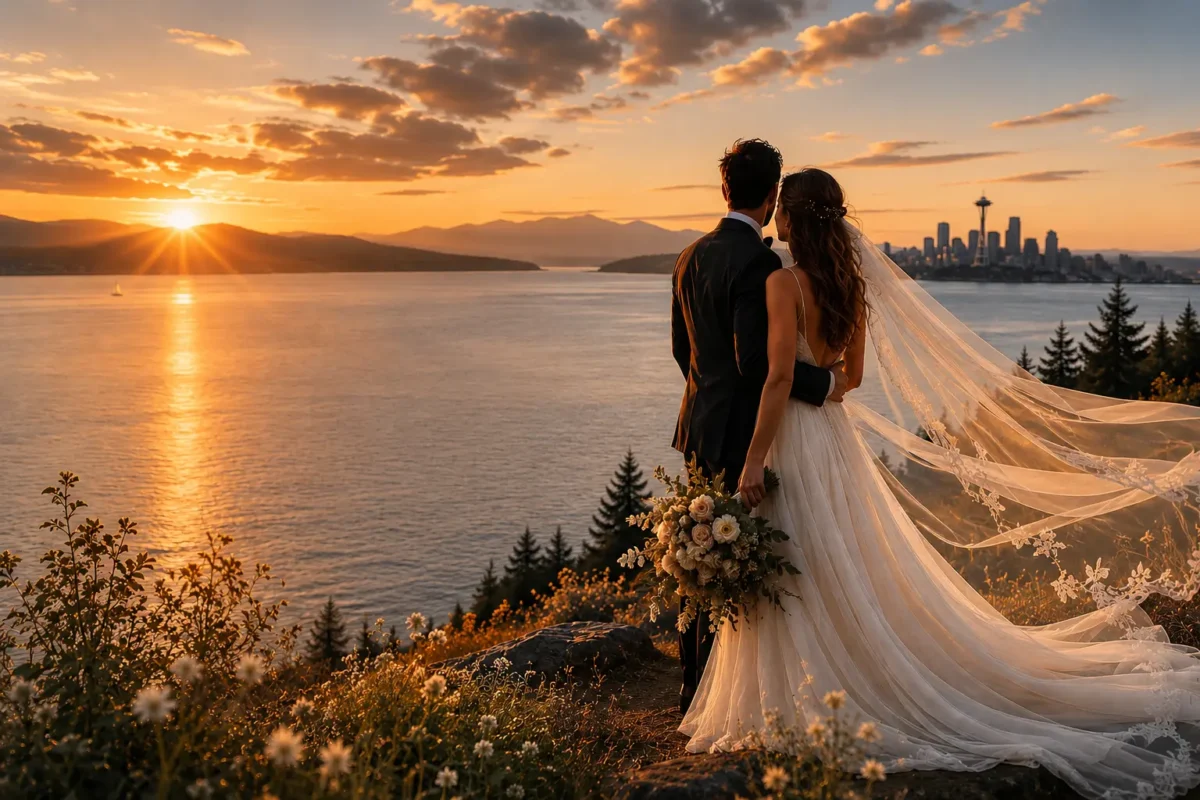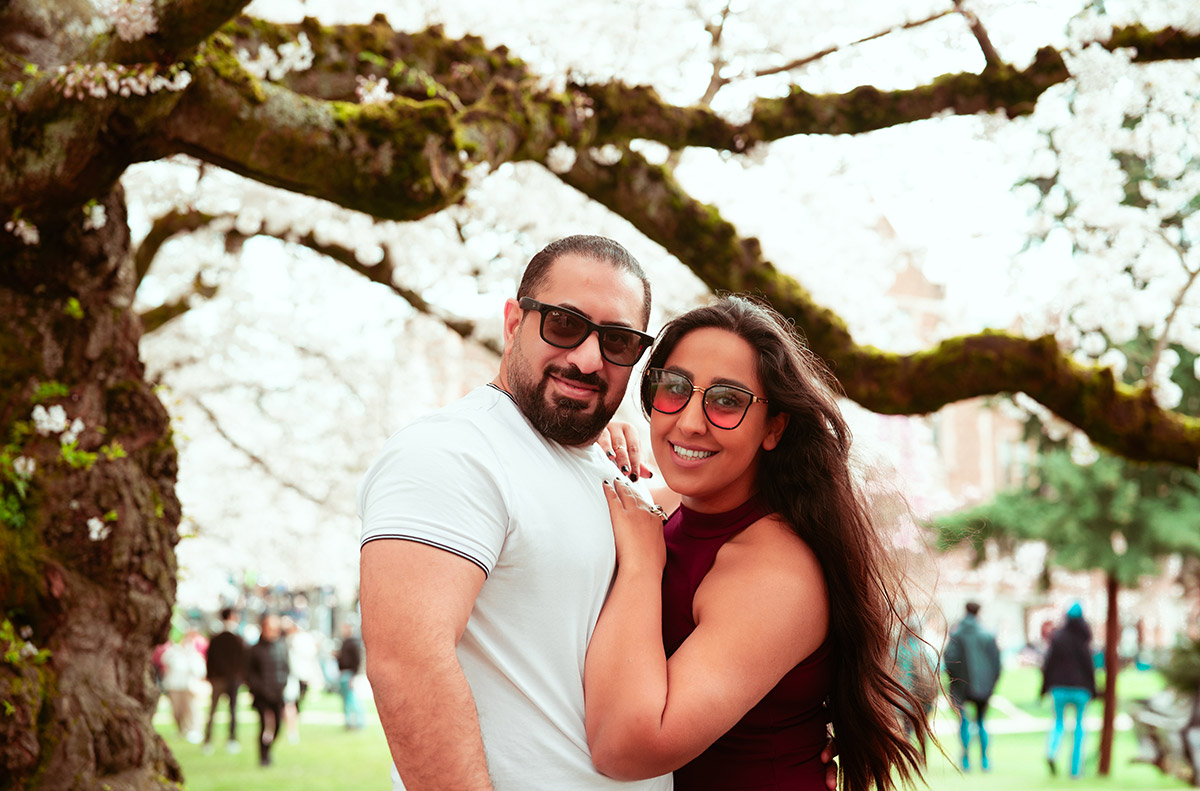
Best Indoor Photoshoot Locations in Seattle
July 26, 2026
Capturing Life’s Milestones: The Complete Guide to Family Photography in Seattle
August 1, 2026
Table of Contents
Planning a wedding in the Pacific Northwest requires vision, organization, and an understanding of our unique environment. Whether you are organizing an intimate micro-wedding in Snohomish or a modern downtown Seattle celebration, your photography choices shape how you remember the experience.
Choosing a photographer involves more than simply finding someone with a camera. You need a professional who understands changing light, navigates unpredictable weather, and anticipates fleeting moments before they happen. This guide walks you through the entire visual journey, from planning a surprise proposal to finalizing your wedding day timeline.
We will help you identify your preferred photography style, prepare for your engagement session, and understand how to evaluate a professional portfolio. By understanding the process, you can approach your photography with confidence. Use this guide to organize your priorities, explore your options, and make informed decisions about preserving your visual legacy.
Quick Answers & Key Takeaways
- Plan early: Book your photographer 9 to 12 months in advance, especially for summer dates in the Pacific Northwest.
- Embrace the weather: Seattle’s overcast skies create highly flattering, soft light for portraits. Always have a clear umbrella backup plan.
- Define your style: Decide if you prefer unposed documentary storytelling, curated fine-art portraits, or a modern hybrid approach.
- Schedule an engagement session: Use this session to build comfort in front of the camera and establish trust with your photographer.
- Buffer your timeline: Add 15 to 20 minutes to every major transition on your wedding day to accommodate travel and parking across the metro area.
Build Your Legacy
Your wedding photos are an investment in your legacy. We handle the timeline so you can stay present.
Check AvailabilitySeattle Photography Planning
Wedding and engagement photography should function as one cohesive visual story. Treating these events as connected milestones rather than isolated tasks creates a stronger, more authentic narrative. The journey begins the moment you decide to marry and culminates in the final album you share with your family.
Planning your photography early guarantees a consistent aesthetic across all your images. When the same professional documents your engagement and your wedding, the resulting photographs share the same color grading, compositional approach, and overall mood. This consistency elevates your final gallery from a simple collection of images to a curated visual legacy.
Early planning also gives you time to build a relationship with your photographer. Comfort in front of the camera rarely happens instantly. It requires trust. By the time your wedding day arrives, you should feel entirely at ease, allowing your photographer to document genuine, unguarded moments. Treat your photography as an investment in your family’s history, prioritizing a professional approach that values preparation and connection.
Choosing Your Photographer

Knowing how to properly evaluate a wedding photographer ensures you receive the quality and reliability you expect. Do not base your decision solely on a curated Instagram feed. Social media highlights only the best single frames under ideal conditions.
Instead, ask to view full wedding galleries. A complete gallery reveals a photographer’s consistency. Look at how they handle dark reception halls, unpredictable rain, and bright midday sun. Strong professionals deliver crisp, well-composed images regardless of the lighting environment.
Communication and personality matter just as much as technical skill. Your photographer stays by your side for eight to ten hours. You need someone whose presence brings calm reassurance rather than added stress. They should guide you effortlessly, managing family dynamics and timeline shifts with quiet professionalism.
When choosing a Seattle wedding photographer, ask about their technical contingencies. Do they carry backup camera bodies and dual memory cards? Do they have a concrete plan for equipment failure? Review their contract thoroughly. Understand their deliverables, timeline for receiving your final gallery, and personal usage rights before signing any agreement.
Finding Your Photo Style

Photographers approach their craft through different creative lenses. Understanding these approaches helps you find a professional whose work aligns with your vision.
Documentary Photography: This approach focuses on unscripted, authentic storytelling. The photographer acts as an observer, interfering as little as possible. The goal is to preserve genuine emotion, quick glances, and spontaneous laughter exactly as they occur.
Fine-Art Photography: Rooted in classic aesthetics, fine-art wedding photography prioritizes composition, lighting, and intentional styling. These images often feel romantic, airy, and carefully curated, resembling editorial spreads in high-end magazines.
Editorial Photography: Drawing inspiration from fashion photography, the editorial style incorporates dramatic lighting and striking, confident posing. It focuses on mood and high-impact visual statements.
Modern Hybrid: Most couples prefer a blend. A modern hybrid approach utilizes documentary techniques for the ceremony and reception, paired with gentle, fine-art direction for couple and family portraits.
Familiarizing yourself with current Seattle wedding photography styles helps you communicate your preferences effectively. Choose the approach that genuinely reflects your personality rather than simply following fleeting trends.
Planning Engagement Photos

An engagement session offers immense practical value beyond providing images for save-the-date cards. It serves as a trial run, allowing you to experience your photographer’s working style firsthand.
Schedule your session at least six months before your wedding. This timeline provides ample room for editing, printing, and sharing the images. When choosing a location, select a setting that contrasts with your wedding venue. If you are hosting a formal ballroom wedding, consider an outdoor, rugged park for your engagement session.
Outfits significantly impact the final look of your gallery. Coordinate your clothing without matching exactly. Opt for complementary tones and fabrics that allow for natural movement. For detailed styling advice, review our complete engagement session outfit guide.
Seattle weather requires flexibility. Embrace overcast days, as clouds act as a giant softbox, creating incredibly flattering light on faces. If light rain appears, clear umbrellas add a romantic, cinematic element to the images. By the end of this session, any initial camera anxiety should fade, leaving you prepared and excited for your wedding day.
Building Your Photo Timeline
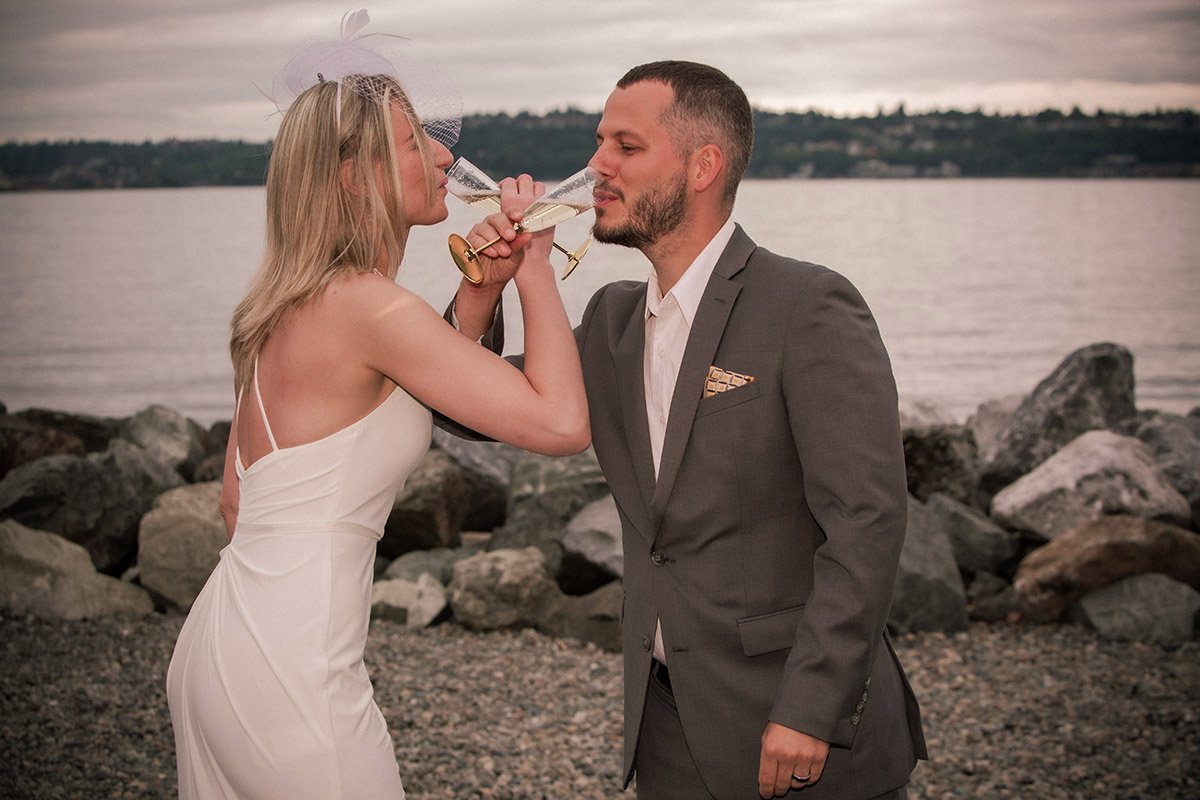
A well-structured timeline prevents the day from feeling rushed. Creating realistic buffers ensures you have time to breathe, connect with guests, and enjoy the celebration.
Start with getting-ready coverage. Allocate one to two hours to document the final preparations, details, and quiet moments before the rush begins. If you opt for a first look, schedule it at least two hours before the ceremony. This window allows you to complete all couple portraits and wedding party photos before guests arrive.
Ceremony timing dictates the rest of the day. Keep the season in mind. A winter ceremony in Seattle means the sun sets near 4:15 PM, requiring all natural-light portraits to happen earlier in the afternoon.
Family portraits require strict organization. Allocate three minutes per group grouping, and appoint a family member to help gather people quickly.
Always schedule ten to fifteen minutes for golden-hour portraits just before sunset. The light during this window provides a warm, directional glow that cannot be replicated. Finally, ensure your wedding planning timeline includes sufficient travel buffers. Moving between a hotel in Bellevue and a venue in Woodinville takes time. Planning for traffic reduces stress and keeps the photography schedule on track.
Natural, Intentional Portraits

Many couples worry about looking stiff or awkward in photographs. A skilled professional eliminates this concern by using motion-based prompts rather than rigid, static posing.
Instead of telling you exactly where to place every finger, we guide you into a flattering scenario and ask you to interact. We might ask you to walk slowly toward the camera, whisper a funny story, or practice your first dance. This motion creates genuine micro-expressions and unforced smiles.
Family formals require a slightly different approach. These are legacy images, demanding clean compositions and clear visibility of every face. We organize these groups efficiently, ensuring everyone looks their best without dragging out the process.
The goal is to create polished, elegant portraits that retain your authenticity. By utilizing natural wedding photography poses, we document you exactly as you are, highlighting your connection rather than a manufactured scenario.
Photo and Video Coverage

Deciding whether to add videography depends on how you want to remember the event. Photography freezes a single, powerful fraction of a second. Videography captures motion, the cadence of spoken vows, and the ambient sounds of your guests laughing.
Booking combined photography and videography through a single team offers distinct logistical advantages. A unified team shares the same visual style, communicates effortlessly, and stays out of each other’s frames. You avoid the friction that sometimes occurs when two separate companies compete for the same angles.
Combined coverage scales to fit any event size. Full wedding days benefit from extensive multi-camera setups, while intimate gatherings require a lighter footprint. Small wedding videography focuses heavily on subtle audio and close-up, emotional storytelling. Before booking, discuss how the team manages audio capture during the ceremony and toasts, as clear sound is the foundation of a strong wedding film.
Seattle Weather and Locations

The Pacific Northwest offers incredible environmental diversity, but it demands logistical preparation. Weather patterns shift rapidly from Everett down to the South Sound, and understanding these nuances keeps your day running smoothly.
Do not fear Seattle’s frequent cloud cover. Overcast skies eliminate harsh shadows under the eyes and allow you to shoot in locations that would be overly bright on sunny days. If the forecast predicts rain, lean into it. Light drizzle creates moody, atmospheric images. Keep clear, dome-style umbrellas on hand, as they allow light to reach your faces while keeping you dry.
Different metro locations require specific planning. Urban sessions in downtown Seattle demand extra time for parking and navigating crowds. Waterfront locations often experience heavy winds, which can affect hairstyles and veils.
If you are planning an event at a Woodinville winery, take advantage of the sprawling vineyards during golden hour, but verify their specific property boundaries. Snohomish estate weddings often feature wide-open rural backgrounds, perfect for sweeping, panoramic portraits. For events in Bothell, Lynnwood, or Mill Creek, factor in the transition times between suburban getting-ready spaces and your final venue. Always confirm photography permit rules, as many local parks and private gardens strictly enforce commercial photography policies.
Proposals and Small Weddings

Not every celebration involves two hundred guests. Intimate milestones require just as much professional care and storytelling.
When planning a surprise proposal, discreet coordination is vital. We help you choose a precise location, map out the optimal angle for the light, and establish a clear plan for capturing the moment without raising suspicion. After the proposal, the event transitions smoothly into a relaxed engagement session.
Elopements and micro-weddings share this intimate focus. With fewer guests, the timeline relaxes. This flexibility allows for longer, more adventurous portrait sessions. Even with a small guest count, professional coverage preserves the gravity and emotion of the commitment.
Booking Your Photography
Securing your photographer requires a clear, organized sequence. Follow these steps to ensure you find the right fit for your event.
- Define the details: Confirm your exact date, general location, and estimated guest count.
- Identify your visual style: Decide if you prefer documentary, fine-art, or a hybrid approach.
- Review relevant galleries: Request full galleries from venues with similar lighting conditions to yours.
- Discuss priorities: Communicate what matters most to you, whether that is candid family moments or dramatic couple portraits.
- Confirm coverage: Review the proposed contract, noting the hours of coverage, second shooter inclusions, and deliverable timelines.
- Schedule the engagement: Book your planning or engagement session to begin building rapport.
- Finalize the timeline: Draft your photography timeline roughly two months before the wedding.
Approaching the booking process methodically guarantees you secure a professional who aligns with your creative vision and logistical needs.

Ready to Build Your Visual Legacy?
Your wedding photographs are more than just a gallery—they are a direct investment in your family’s history. Planning a seamless celebration across Seattle, Woodinville, Snohomish, or the greater metro area requires a professional who understands both the nuances of Pacific Northwest light and the logistics of a well-crafted timeline. We approach every event with meticulous professional planning and a commitment to authentic storytelling.
Connect with us today to discuss your vision, explore our portfolio, and begin preserving a visual legacy you will value for generations.
Inquire About Your DateFrequently Asked Questions
For summer weddings, book your professional 9 to 12 months in advance. The Pacific Northwest has a highly competitive season. Winter dates require 6 to 8 months lead time. This secures your preferred vendor.
Late spring and early autumn offer reliable temperatures and striking colors. Furthermore, schedule the session two hours before sunset. This golden-hour timing ensures the most flattering natural light.
Professional photographers monitor weather closely and carry protective gear. Therefore, we recommend purchasing clear umbrellas. They look elegant and allow light onto faces. For severe weather, we easily reschedule or use a covered location.
Choose clothing reflecting your personality while complementing the location. Additionally, layering works well in the Pacific Northwest climate. Avoid highly visible logos or exact matching. Wear complementary tones allowing you to move comfortably.
Yes. Using the same professional ensures absolute visual consistency. More importantly, the engagement session builds trust. You will learn how the photographer directs you. Consequently, this reduces anxiety and relaxes your wedding day experience.
Eight hours serves as the standard for traditional weddings. This duration covers getting-ready moments, ceremonies, and reception formalities. However, events with multiple locations or grand exits usually require ten hours. Invest in proper planning.
Photography preserves fine details, while videography captures audio and movement. Hearing your vows spoken provides a different emotional experience. Ultimately, booking a combined team ensures seamless capture without vendors competing for space.
The best setting depends on your aesthetic. Discovery Park offers diverse landscapes ideal for nature-focused couples. Alternatively, Pioneer Square provides historic urban textures. Woodinville wineries offer elegant backgrounds. Choose a setting feeling authentic.