Your phone is a powerful camera, perfect for capturing beautiful portraits anytime, anywhere. But a great portrait is more than just a quick snap; it’s about telling a story. The secret to elevating your phone photography from simple pictures to professional-quality portraits lies in composition.
As Seattle’s storytellers, we at Iconic Photography believe that everyone can take incredible photos. You don’t need a fancy camera to apply the timeless principles that guide every great shot. Whether you’re capturing memories at Gas Works Park or a candid moment in your backyard, these seven composition techniques will dramatically improve your phone portraits.
1. Embrace the Rule of Thirds
The rule of thirds is the most fundamental principle in photography composition. Imagine your screen is divided into a 3×3 grid. Instead of placing your subject dead center, position them along one of the vertical lines or at a point where the lines intersect. Most phone cameras have a grid setting you can turn on to make this easy. This simple shift creates a more balanced, dynamic, and visually interesting portrait.
How to Use It:
Align the Eyes: For a classic portrait, align your subject’s dominant eye with one of the top intersection points.
Give a Sense of Direction: If your subject is looking to the side, place them on the opposite vertical line, leaving space in the direction they are looking.
2. Use Leading Lines to Draw the Eye
Leading lines are visual elements within your photo—like paths, fences, bridges, or shorelines—that guide the viewer’s eye directly to your subject. They create a sense of depth and make the composition more engaging. Seattle is full of incredible leading lines, from the piers along the waterfront to the winding paths in the Washington Park Arboretum.
How to Find Them:
Look for roads, railings, staircases, and even the lines of a building.
Position your subject at the end of the line or along it to make them the clear focal point of the image.
3. Create Natural Frames with “Framing”
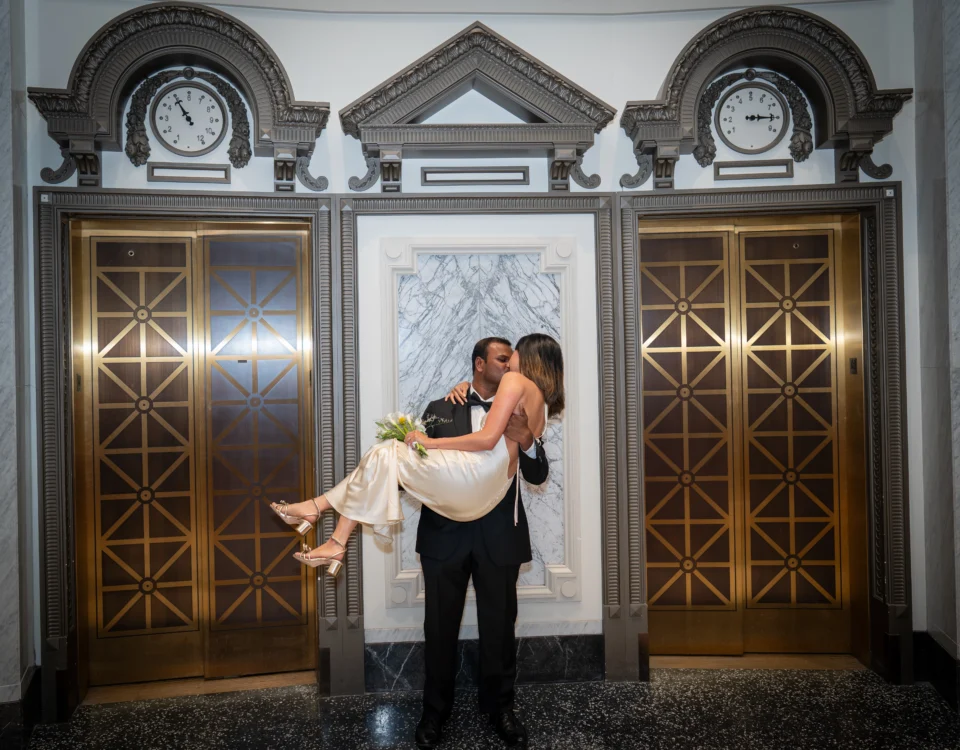
This technique involves using elements in the foreground to create a natural frame around your subject. This adds context, depth, and a professional touch to your portraits. A frame can be anything: a doorway, a window, tree branches, or even the space between two pillars at the University of Washington.
Quick Tips for Framing:
Look for arches or overhanging leaves.
Shoot through an object to place it in the foreground, creating a natural vignette.
4. Master Negative Space
Negative space is the empty or uncluttered area around your main subject. A common mistake in phone photography is trying to cram too much into the shot. Using negative space helps your subject stand out, creating a sense of calm, simplicity, and focus. A clean wall, a clear sky, or a wide-open field at Discovery Park are all perfect examples of effective negative space.
5. Fill the Frame for Impact
While negative space is powerful, so is its opposite. Filling the frame means getting closer to your subject, making them the only thing in the shot. This is especially effective for capturing emotion and fine details, like freckles or a genuine smile. Don’t be afraid to crop in tight. This technique creates an intimate and powerful connection between the viewer and the subject.
6. Change Your Angle and Perspective
Most people take photos from eye level. To create a more dramatic and unique portrait, simply change your perspective.
Shoot from a Low Angle: Kneel down and shoot upwards at your subject. This can make them appear more heroic, powerful, and prominent against the background (like the sky).
Shoot from a High Angle: Find a slightly higher vantage point and shoot down. This angle is often flattering for portraits and can create a unique, interesting perspective.
7. Pay Attention to the Background
A distracting background can ruin a perfect portrait. Before you take the shot, quickly scan the area behind your subject. Is there a trash can, a distracting sign, or a tree branch that looks like it’s growing out of their head? Sometimes, simply taking two steps to the side can give you a much cleaner and more pleasing background. If you can’t change your location, use your phone’s “Portrait Mode” to blur the background distractions away.
Ready to capture your own iconic moments?
For those special occasions that deserve a professional touch, contact Iconic Photography.
We specialize in telling the unique stories of Seattle with timeless, beautiful portraits.
While the rule of thirds is the most versatile and important guideline, the best “rule” is the one that best suits your subject and scene. For emotional impact, try filling the frame. To create a sense of scale and calm, use negative space.
The fastest way to achieve a professional look is by controlling three things: composition, lighting, and background. Use the composition techniques above, find soft light (like near a window or in open shade), and ensure your background is clean and uncluttered.
Portrait Mode is a fantastic tool for blurring distracting backgrounds and making your subject pop. It’s excellent for beginners. However, it’s not always necessary. If you have a naturally beautiful or simple background, a standard photo can look just as professional and often has sharper edges. Experiment with it on and off.