Update your Linkedin headshot this year (Why?)
May 12, 2026
What to Wear for Professional Corporate Headshots
May 13, 2026
Even with expensive cameras and modern smartphones, small photography mistakes can dramatically affect the quality of your images. At Iconic Photography, we believe exceptional Seattle photography begins with mastering the fundamentals that professionals use every day.
Whether you're capturing personal moments, creating content for your brand, or improving your portrait photography skills, avoiding these common mistakes can instantly elevate your results and help your photos feel cleaner, sharper, and more intentional.
1. Your Subject Isn’t Sharp or Properly Focused
Blurry images are one of the fastest ways to make a photo feel amateur. In many cases, the issue comes from camera shake, missed autofocus points, or shooting with a shutter speed that’s simply too slow for the situation.
How Professional Photographers Fix It
- Increase your shutter speed: For portraits, try staying above 1/125s. For movement or action photography, use 1/500s or faster.
- Focus on the eyes: In portrait photography, sharp eyes instantly create a more professional image.
- Use stabilization when needed: A tripod or image stabilization helps significantly in low-light Seattle photography environments.
2. Distracting Backgrounds Take Attention Away From the Subject
One of the most overlooked photography mistakes is ignoring what’s happening behind the subject. Busy environments, bright objects, or awkward lines can pull the viewer’s attention away from the person or moment you actually want to highlight.
How to Create Cleaner, More Professional Images
- Simplify the frame: Look for backgrounds with minimal distractions and clean visual separation.
- Adjust your angle: Moving a few feet left or right can dramatically improve composition.
- Use depth of field creatively: Shooting at wider apertures like f/2.8 helps soften the background and create a more polished look.
3. Centering Every Photo Creates Flat Composition
While centered framing can work in specific situations, relying on it constantly often makes images feel static and repetitive. Strong composition creates movement and naturally guides the viewer through the image.
Simple Composition Techniques That Improve Photos Instantly
- Use the rule of thirds: Position your subject slightly off-center to create a more balanced and dynamic frame.
- Look for leading lines: Roads, architecture, shorelines, and pathways naturally direct the viewer’s eye.
- Create depth: Include foreground, middle ground, and background elements whenever possible.
4. Staying in Auto Mode Limits Creative Control
Modern cameras are powerful, but relying completely on automatic settings often prevents photographers from fully controlling lighting, depth, and motion. Learning even a few manual settings can dramatically improve consistency.
Professional Photography Settings Beginners Should Learn First
- Start with Aperture Priority Mode: This allows you to control background blur while the camera handles exposure.
- Understand ISO performance: Increasing ISO strategically helps maintain sharpness in darker environments.
- Learn exposure balance: Aperture, shutter speed, and ISO work together to shape the final image.
5. Harsh Lighting Creates Unflattering Results
Lighting is one of the biggest differences between average photography and professional imagery. Midday sunlight often creates strong shadows, uneven skin tones, and blown-out highlights that are difficult to correct later.
How Photographers Create Softer, More Flattering Light
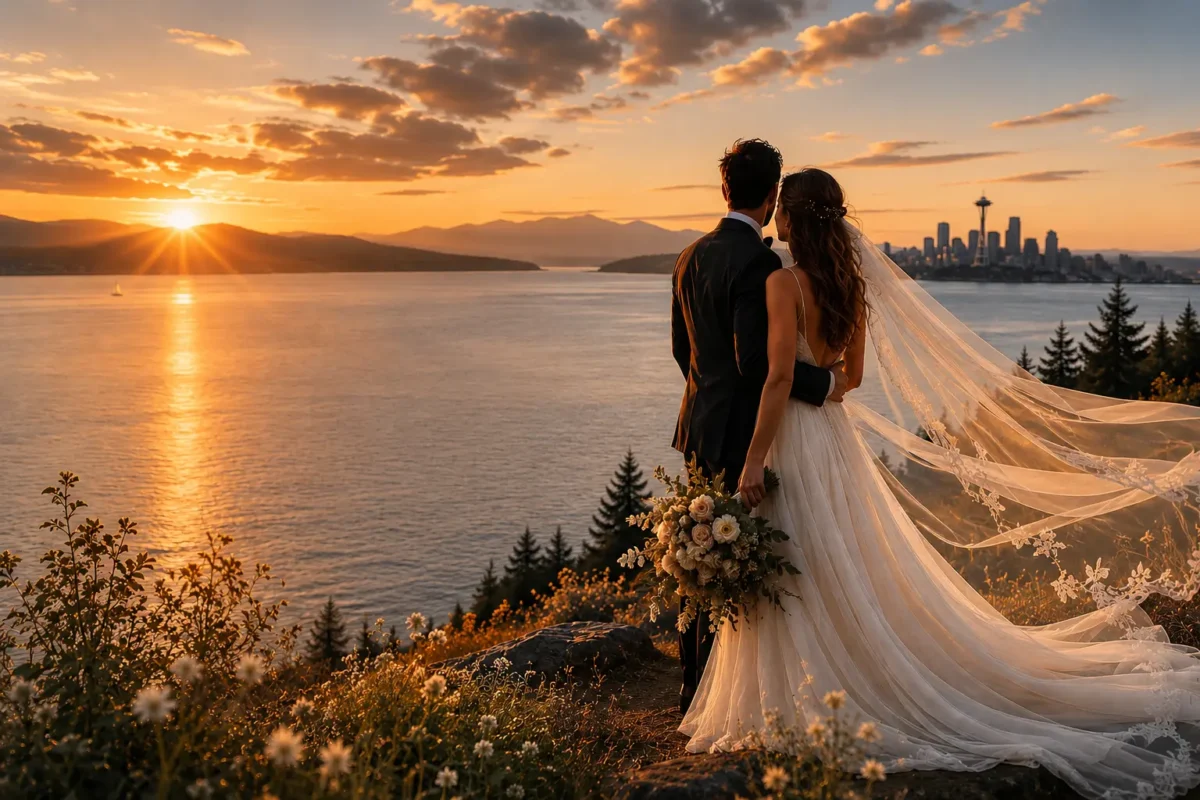
- Shoot during golden hour: The hour after sunrise and before sunset produces softer, warmer tones.
- Use open shade: Trees, buildings, and covered areas help create more even lighting.
- Work with natural light: Soft directional light often creates a more authentic and premium feel.
6. Crooked Horizons Make Photos Feel Unpolished
Slightly tilted horizons may seem minor, but they instantly reduce the professional quality of an image. This is especially noticeable in landscapes, architecture, and waterfront photography.
Easy Ways to Keep Photos Straight and Balanced
- Enable camera grid lines: Grid overlays make alignment much easier while shooting.
- Slow down before pressing the shutter: Taking an extra second improves framing dramatically.
- Straighten during editing: Most editing software includes quick horizon correction tools.
7. Skipping the Editing Process Leaves Photos Incomplete
Even professional photographers edit their images. Raw photos often appear flatter than what the eye naturally sees, and subtle adjustments can completely transform the final result.
What Professional Photo Editing Usually Includes
- Exposure and contrast adjustments: Helps subjects stand out with cleaner tonal balance.
- White balance correction: Creates more natural and accurate color tones.
- Consistent editing style: Cohesive edits strengthen both personal and professional branding.
Photography Mistakes FAQs
Blurry photos typically result from camera shake or shutter speeds that are too slow for the situation. For portraits, keep your shutter speed above 1/125s, and for action shots, use 1/500s or faster. Always focus on the eyes in portrait photography, and consider using a tripod or image stabilization in low-light conditions to maintain sharpness.
Look for clean, simple backgrounds before shooting and adjust your angle—moving just a few feet can eliminate distractions. Use a wider aperture like f/2.8 to blur the background and create visual separation between your subject and their surroundings. Taking a moment to scan the entire frame before pressing the shutter makes a significant difference.
Not necessarily. Start with Aperture Priority Mode, which lets you control depth of field while the camera handles exposure. Understanding how aperture, shutter speed, and ISO work together is more important than shooting fully manual. As you gain confidence, gradually take control of more settings to match your creative vision.
Golden hour—the hour after sunrise and before sunset—produces the softest, most flattering light. Midday sun creates harsh shadows and uneven skin tones. If you must shoot during midday, look for open shade under trees or buildings to create more even lighting. Soft, directional natural light consistently produces more professional-looking images.
Yes, editing is a standard part of professional photography. Raw photos often appear flatter than what your eye naturally sees. Basic adjustments like exposure correction, white balance, and contrast enhancement transform images significantly. Consistent editing also strengthens your visual style and creates cohesive branding across all your photography work.